The Benefits of Automotive Innovation for Modern Mobility
The transportation sector is experiencing its most transformative evolution since the introduction of assembly-line manufacturing over a century ago. For decades, automotive progress followed an incremental path centered on mechanical refinements: internal combustion efficiency, hydraulic braking improvements, and basic passive safety additions like three-point seatbelts and crumple zones. While these engineering milestones saved lives and improved travel times, the modern mobility landscape demands a fundamental shift in how vehicles are designed, powered, and integrated into society.
Today, automotive innovation represents the convergence of electrification, digital connectivity, autonomous intelligence, and shared infrastructure. Modern vehicles are no longer isolated mechanical assets; they are intelligent, software-driven mobility platforms connected to global digital networks. This technological leap forward delivers far-reaching benefits that extend well beyond personal driving comfort. By addressing persistent challenges such as traffic fatalities, atmospheric emissions, gridlock, and transit inequality, modern automotive technology is reshaping global mobility into a cleaner, safer, and more accessible ecosystem for all.
The Decarbonization of Transit Through Advanced Electrification
The transition away from fossil fuel combustion toward pure electric propulsion represents the core environmental imperative of modern automotive engineering. Internal combustion engines lose a substantial portion of their fuel energy to thermal dissipation and friction. In contrast, modern electric vehicle powertrains convert over eighty-five percent of electrical energy directly into wheel movement, delivering unprecedented mechanical efficiency.
Electrification drives systemic environmental and public health benefits:
-
Zero Tailpipe Emissions: Battery electric vehicles produce zero direct exhaust emissions of nitrogen oxides, carbon monoxide, or particulate matter, significantly improving ambient air quality in dense urban centers.
-
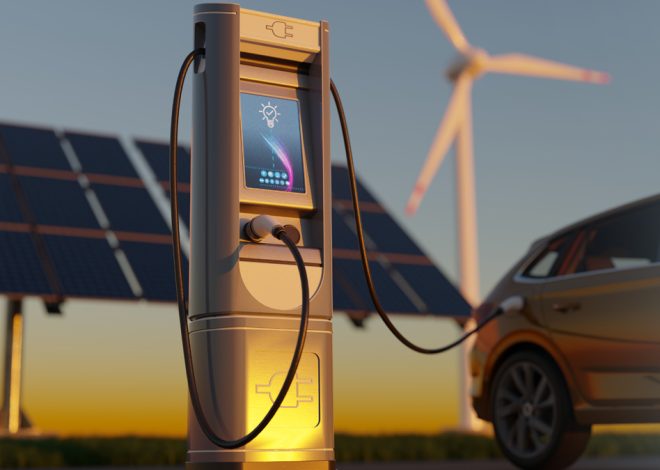
Lifecycle Carbon Reductions: As regional power grids transition to renewable solar, wind, and hydroelectric sources, the operational emissions of charging an electric vehicle drop continuously over its lifespan.
-
Next-Generation Battery Chemistries: Breakthroughs in solid-state electrolytes, sodium-ion cells, and lithium iron phosphate compositions reduce reliance on scarce raw materials while offering faster charging speeds and superior thermal stability.
-
Bidirectional Energy Integration: Vehicles equipped with vehicle-to-grid and vehicle-to-home capabilities function as distributed mobile power plants, returning surplus battery energy to homes during peak blackouts or stabilizing the municipal power grid during heatwaves.
By eliminating localized pollution and enabling closed-loop energy management, automotive electrification forms the backbone of sustainable municipal planning.
Advanced Driver-Assistance Systems and Collision Mitigation
Human operating error remains the leading factor in over ninety percent of serious vehicular accidents globally. Distraction, fatigue, delayed reflexes, and poor visibility contribute to hundreds of thousands of preventable collisions each year. Modern automotive innovation tackles this reality by surrounding vehicles with redundant sensor suites that actively monitor the external environment.
Advanced Driver-Assistance Systems use a combination of radar, lidar, and vision cameras to identify hazards far faster than the human eye can register them.
Active Hazard Detection and Autonomous Intervention
Modern safety architectures do not simply alert drivers to danger; they intervene to avert collisions. Automatic emergency braking detects sudden halts in preceding traffic, while pedestrian and cyclist recognition algorithms apply full stopping power even in low-visibility night conditions. Lane-centering systems, blind-spot steering intervention, and rear cross-traffic braking actively compensate for momentary driver distraction, creating a continuous protective perimeter around the vehicle.
The Evolution Toward Autonomous Fleet Operations
Beyond driver assistance, high-level autonomous driving platforms are redefining urban freight and passenger transport. Supervised autonomous delivery vans and commercial robotaxi fleets use machine learning models trained across millions of complex edge-case scenarios. By removing erratic driver behaviors such as aggressive tailgating and speeding, autonomous mobility networks create predictable, steady traffic flows that reduce highway incidents while improving roadway reliability.
Software-Defined Vehicles and Continuous Digital Evolution
Historically, an automobile reached its peak capability the moment it rolled off the assembly line. Every month that passed brought mechanical wear and technological obsolescence. Modern automotive architecture flips this dynamic entirely through the emergence of the Software-Defined Vehicle.
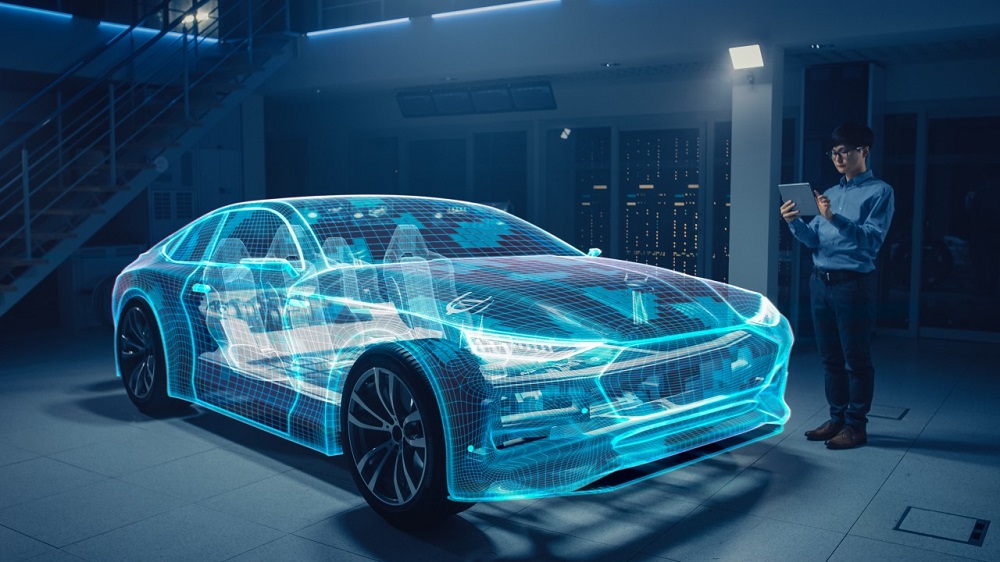
Software-defined vehicles separate underlying mechanical hardware from digital control layers, allowing critical vehicle systems to be monitored, optimized, and upgraded remotely throughout the life of the car.
-
Over-the-Air Feature Enhancements: Automakers deploy digital over-the-air updates directly to parked vehicles via cellular networks, introducing upgraded navigation software, improved motor output, and enhanced user interfaces without requiring a dealership visit.
-
Dynamic Battery Optimization: Continuous data logging allows engineers to push algorithmic firmware updates that optimize thermal battery management, unlocking additional driving range and faster charging curves for older vehicles.
-
Predictive Maintenance Diagnostics: Onboard artificial intelligence monitors component vibrations, fluid pressures, and thermal patterns in real time, alerting owners to mechanical wear before a physical component fails.
-
Usage-Based Protection: Telematics data feeds vehicle performance metrics directly to risk management platforms, enabling personalized insurance pricing based on verified safe driving habits rather than broad demographic assumptions.
This digital framework turns the vehicle into an evolving asset that improves over time, protecting consumer capital and maximizing vehicle longevity.
Intelligent Connectivity and Traffic Optimization
Gridlock is one of the most economically and mentally draining aspects of modern commuting. Billions of productive hours and millions of gallons of fuel are wasted annually in stop-and-go traffic. Automotive innovation addresses congestion through vehicle-to-everything connectivity, allowing cars to communicate with each other, roadside sensors, and municipal infrastructure in real time.
When vehicles share situational data across unified digital networks, collective travel efficiency improves dramatically:
-
Coordinated Signal Optimization: Connected vehicles transmit anonymous location and speed data to municipal traffic computers, allowing city traffic lights to adjust cycle timing dynamically based on live vehicle density rather than fixed timers.
-
Early Hazard Warnings: If a car several turns ahead experiences a sudden mechanical breakdown, hits an ice patch, or encounters road construction, it transmits instantaneous warning signals to following vehicles, giving drivers ample time to reroute.
-
Intelligent Routing Algorithms: Navigation systems calculate real-time energy use, elevation changes, and localized traffic bottlenecks to guide drivers along routes that minimize both travel time and energy expenditure.
-
Automated Parking Coordination: Connected infrastructure guides drivers straight to open parking spaces in crowded garages, eliminating the circling traffic that accounts for up to thirty percent of downtown urban congestion.
Seamless vehicle communication transforms roads into cooperative transportation networks, making travel faster, smoother, and far less stressful.
Expanding Mobility Access for Underserved Populations
Mobility is closely tied to economic opportunity, personal independence, and quality of life. For individuals who cannot drive due to visual impairments, advanced age, neurological conditions, or physical disabilities, car-dependent transit environments often create social isolation and employment barriers.
The combination of autonomous vehicle engineering, ride-sharing software, and universal design is opening new doors for independent personal travel:
-
Autonomous Accessibility: Self-driving fleets equipped with automated wheelchair ramps, voice-activated controls, and haptic feedback provide reliable, door-to-door transportation for individuals who cannot hold a standard driver’s license.
-
Mobility as a Service: On-demand digital mobility applications integrate regional buses, micro-transit shuttles, electric bikes, and car-share fleets into a single payment platform, lowering the financial burden of private vehicle ownership for budget-conscious commuters.
-
First-Mile and Last-Mile Solutions: Autonomous community shuttles bridge the gap between suburban residential neighborhoods and central railway hubs, connecting commuters to regional transit without requiring costly parking lots.
Democratizing access to reliable, on-demand transportation helps ensure that vulnerable populations can independently reach medical care, career opportunities, and social activities.
Transforming the Passenger Experience and In-Cabin Productivity
As driving responsibilities shift from active human control toward automated assistance, vehicle interior cabins are evolving into comfortable living and productive working environments. With electric powertrains operating in near-total silence and removing bulky transmission tunnels, automotive interior designers enjoy new freedom to reimagine cabin space.
Modern vehicle cockpits now serve as productive mobile hubs. Acoustic glass and active noise cancellation technologies suppress road hum, creating quiet environments suitable for remote work meetings, study, or relaxation.
Generative artificial intelligence assistants handle complex natural language requests, managing calendar schedules, drafting messages, and providing contextual information without taking the driver’s attention away from the road. Flat floorboards, swiveling seats, and modular center consoles allow passengers to reconfigure cabin layouts on the fly, turning daily transit time into a functional extension of the home and office.
Frequently Asked Questions
How does automotive innovation improve pedestrian and cyclist safety?
Modern vehicles use forward-facing cameras, wide-angle radar, and machine learning models trained to identify non-motorized road users in complex urban settings. If a cyclist enters a vehicle’s path or a pedestrian steps unexpectedly off a sidewalk, automatic pedestrian detection systems immediately alert the driver and initiate emergency braking. Furthermore, active hood hinges lift the rear of the hood slightly during impacts to cushion the pedestrian from hard engine blocks, reducing the severity of head injuries.
What is the difference between an advanced driver assistance system and full vehicle automation?
Advanced Driver-Assistance Systems require an alert, licensed driver who continuously monitors the road and remains ready to assume manual control instantly, even when adaptive cruise control and steering assist are active. Full vehicle automation, corresponding to Society of Automotive Engineers Level 4 and Level 5 specifications, manages all operational, driving, and emergency procedures without requiring human supervision or intervention, allowing occupants to focus entirely on other tasks.
How do modern electric vehicles handle battery recycling and sustainability at the end of their service lives?
Electric vehicle batteries do not end up in municipal landfills. When a battery pack degrades below eighty percent of its initial storage capacity, it is repurposed for secondary stationary grid storage to balance solar and wind power installations. Once the battery reaches the end of its useful lifespan, hydrometallurgical closed-loop recycling processes recover up to ninety-five percent of critical raw metals, including cobalt, nickel, copper, and lithium, returning them directly into new battery manufacturing chains.
Are software-defined vehicles vulnerable to remote digital hacking and cyberattacks?
Because software-defined vehicles connect to cellular and satellite networks, cybersecurity is an essential focus for automotive engineers. Automakers use military-grade end-to-end data encryption, isolated electronic architecture domains, and secure hardware gateways that prevent infotainment software from accessing core steering and braking controls. Continuous automated over-the-air security patches allow manufacturers to identify and fix code vulnerabilities remotely before malicious actors can exploit them.
How do smart vehicle innovations reduce municipal road maintenance costs?
Vehicles equipped with chassis sensors, connected cameras, and telematics systems constantly log pavement vibrations and surface conditions as they travel. This anonymous operational data is shared with local transportation departments, pinpointing expanding potholes, damaged road signs, and worn lane markings. Catching surface degradation early allows cities to perform proactive spot repairs, avoiding expensive full-depth road rebuilds and saving municipal tax dollars.
Can automotive innovations operate reliably in severe winter weather and freezing conditions?
Modern innovations are built and tested to withstand extreme winter weather. Advanced electric vehicle thermal management systems use high-efficiency heat pumps and battery preconditioning to maintain cabin warmth and retain battery driving range in freezing temperatures. For perception systems, manufacturers integrate heated camera lenses, high-frequency ultrasonic sensors, and radar arrays that penetrate heavy snow, fog, and sleet where human vision struggles.
How does the rise of shared mobility platforms impact individual consumer finances?
Shared autonomous mobility and Mobility-as-a-Service platforms offer the convenience of private car travel without the substantial financial burdens of vehicle ownership. Private vehicle owners absorb substantial ongoing costs for vehicle depreciation, loan interest, insurance premiums, scheduled maintenance, and parking fees. Relying on shared on-demand transit networks allows individuals to pay solely for the distance traveled, saving thousands of dollars annually in household transportation expenses.