Driving Tips for Better Visibility During Night Travel
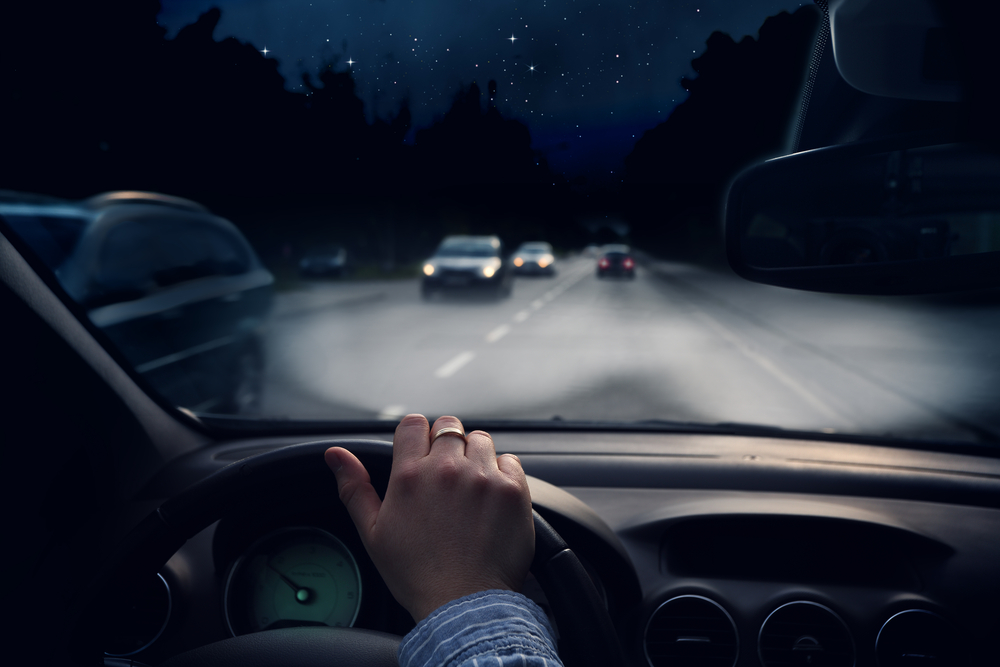
Operating a motor vehicle after dark presents distinct challenges that even seasoned drivers often underestimate. While traffic volume drops significantly once the sun goes down, traffic fatalities climb disproportionately during nighttime hours. The reason is rooted in human biology and environmental physics: the human visual system is poorly adapted for high-speed navigation in low-light settings. At night, depth perception deteriorates, color recognition fades, peripheral awareness narrows, and the ability to gauge relative speed declines sharply.
Compounding these biological limits is the modern nighttime driving environment. Pavement surfaces absorb street lighting, dark rural highways offer zero ambient illumination, and oncoming traffic brings piercing beams from high-intensity headlights. Navigating roads safely after twilight requires proactive habits that maximize your sightlines, protect your night-adjusted vision, and minimize optical fatigue. Adopting targeted practices for nighttime travel ensures you maintain clear sightlines and stay safe behind the wheel.
The Science of Night Vision and Photopic Adaptation
Understanding how your eyes function in low-light environments is the first step toward improving behind-the-wheel performance after sunset. The human eye relies on two main types of photoreceptors within the retina: cones and rods.
Cones handle photopic vision, operating in bright daylight to process fine detail, sharp focus, and vibrant colors. Rods govern scotopic vision, functioning in darkness to register coarse movement, contrasting shapes, and grayscale silhouettes.
When transitioning from a brightly lit room or a sun-drenched parking lot into nighttime darkness, your eyes require time to build scotopic sensitivity.
-
Rhodopsin Regeneration: Rod cells rely on a light-sensitive photopigment called rhodopsin. Bright light instantly bleaches rhodopsin, rendering rod cells temporarily unresponsive. Rebuilding full dark adaptation takes anywhere from twenty to thirty minutes of continuous low-light exposure.
-
Pupillary Dilation Latency: While your pupils widen quickly when you step into darkness, the chemical adjustment within retinal cells happens slowly. A sudden flash of high-beam glare can wipe out minutes of accumulated night vision in a fraction of a second.
-
Loss of Contrast Sensitivity: Low-contrast obstacles, such as an unlit stalled vehicle, a pedestrian wearing dark clothing, or an animal standing on an asphalt shoulder, blend into the background. Your brain needs more time to recognize these shapes and react.
Respecting these biological constraints helps you see why protecting your eyes from unnecessary glare and harsh interior lighting is vital for safe night driving.
Maintaining and Calibrating Exterior Vehicle Lighting
Your headlights serve two functions: illuminating the roadway ahead and signaling your presence to other motorists, cyclists, and pedestrians. Yet, millions of vehicles travel with poorly aimed, dirty, or degraded headlamp assemblies that cut down usable road visibility.
Keeping your vehicle lighting in peak mechanical condition requires regular attention.
-
Restore Oxidized Headlight Lenses: Modern polycarbonate headlight covers cloud over after years of exposure to atmospheric ozone and solar ultraviolet rays. This yellowish oxidation scatters forward light beams, reducing forward projection by up to eighty percent. Use an abrasive restoration kit or professional polishing compound to restore lens clarity and output.
-
Check Proper Vertical and Horizontal Aim: Headlamps drift out of alignment due to road vibration, suspension settling, or minor parking bumps. Low beams aimed just a few degrees too low shorten your stopping sight distance, while lamps aimed too high blind oncoming traffic without lighting the pavement. Use a level surface facing a flat wall to check alignment against factory specifications.
-
Clean Exterior Lenses Weekly: Road grime, salt spray, and bug splatter form a translucent film over glass and plastic lenses. Wiping down headlamps, taillights, turn signals, and fog lamps during fuel stops ensures maximum light transmission.
-
Upgrade Aging Halogen Bulbs in Pairs: Standard halogen bulbs lose filament intensity gradually over their service lifespan before burning out entirely. If your vehicle uses traditional halogens, replace both bulbs simultaneously every two to three years to maintain uniform beam intensity.
Clear, properly aimed headlights project a clean light pattern down the roadway, illuminating lane markers and potential hazards without dazzling fellow motorists.
Eliminating Windshield Haze and Glare Reflections
Many motorists assume their vehicle windshield is clean simply because there are no obvious mud splatters on the outside. However, the most problematic visual interference during night driving forms on the interior surface of the glass.
Over weeks of normal driving, automotive interior plastics, vinyl dashboards, and synthetic upholstery release airborne plasticizers through outgassing. This chemical evaporation deposits a greasy, microscopic film across the inner windshield.
During bright daylight, this thin oily film is almost invisible. At night, incoming light from oncoming high-intensity headlights or overhead streetlamps hits the film and scatters across the entire glass surface. This causes veiling glare, washing out forward contrast and temporarily blinding the driver.
To eliminate internal reflections and glare:
-
Clean the Interior Glass with Dedicated Glass Cleaner: Use an alcohol-based or ammonia-free automotive glass cleaner paired with clean waffle-weave microfiber towels. Wipe in alternating horizontal and vertical patterns to remove all oily residue.
-
Replace Worn Wiper Blades Promptly: Wiper blades exposed to outdoor weather develop edge splits and torn rubber within six to twelve months. Streaking or chattering wiper blades leave moisture smears that distort streetlights into disorienting streaks.
-
Repair Stone Chips and Pitting: Windshields subjected to thousands of highway miles collect microscopic glass pits from airborne sand and debris. These pits catch light, creating a sparkling haze under oncoming headlamps. Repair stone chips immediately to stop cracks from spreading, and consider replacing a heavily pitted windshield.
A pristine windshield acts as an invisible barrier, letting ambient light enter your eyes without unwanted diffusion, glare, or visual distortion.
Managing the Cockpit Environment and Dashboard Brightness
One of the most common driver errors during nighttime travel is leaving instrument cluster backlighting, touchscreens, and auxiliary switches set to daytime brightness levels.
Modern infotainment displays and digital dashboards emit high levels of short-wavelength blue light. When your eyes adjust to a bright digital screen directly behind the steering wheel, your pupils constrict automatically. This pupil constriction cuts down the amount of ambient light entering the eye from the dark roadway outside, creating temporary night blindness.
To optimize your interior cockpit for nighttime visibility:
-
Dim the Instrument Cluster: Use the dashboard rheostat to dim your instrument panel to the lowest comfortable legibility setting. Your speedometer and vital gauges should be readable with a quick glance, not glowing like a television monitor.
-
Switch Screens to Dark Night Modes: Set central navigation touchscreens to automatic night mode, which replaces bright white backgrounds with deep blacks, muted grays, and dark blues. If your system allows it, turn the central display off completely during long highway stretches.
-
Extinguish Interior Reading Lights: Never travel with overhead dome lights or passenger reading lamps illuminated. Interior cabin lighting reflects off side windows and the windshield, producing phantom reflections that mask outside hazards.
-
Block Reflective Items on the Dash: Avoid placing white paper receipts, parking passes, or light-colored items on top of the dashboard. These objects reflect upward onto the windshield, creating a persistent milky haze right in your forward line of sight.
Lowering interior light levels helps preserve your pupils’ dark adaptation, making it far easier to spot unlit hazards along dark roads.
Strategic Visual Scanning and Glare Avoidance Techniques
Staring fixedly straight ahead is a dangerous habit on dark highways. When driving at night, your peripheral visual field narrows into tunnel vision, a phenomenon often referred to as highway hypnosis. To compensate, drivers must practice active visual tracking.
Adopting disciplined visual techniques keeps your eyes alert and minimizes glare:
-
Look Down and Toward the Right White Fog Line: When an oncoming vehicle approaches with bright or misaligned headlights, resist the natural impulse to look directly at the oncoming light. Instead, shift your gaze downward toward the white edge line painted along the right shoulder. Use that painted line to guide your lane position while tracking the oncoming vehicle using peripheral vision.
-
Sweep Your Focus Continually: Keep your eyes moving across three distinct visual zones: the far forward distance illuminated by your high beams, the middle ground near your low-beam cutoff, and the shoulder edges. Continual scanning prevents visual fatigue and keeps retinal rods engaged.
-
Watch for Distant Tapetum Lucidum Reflections: Wildlife species possess a retroreflective retinal layer known as the tapetum lucidum. When driving through rural or wooded corridors, scan roadside brush for tiny twin points of reflected light. Spotting an animal’s glowing eyes gives you critical extra seconds to brake before it jumps into your lane.
-
Adjust Side Mirrors to Minimize Blind-Spot Glare: Position your side-view mirrors outward so your own vehicle flanks are just out of view. This angle prevents the headlights of trailing vehicles from bouncing directly into your eyes while reducing vehicle blind spots.
-
Flip the Rearview Mirror Toggle: If your vehicle has a manual rearview mirror, flip the bottom tab into night mode to deflect the headlights of trailing vehicles upward onto the dark headliner. If your vehicle features an auto-dimming electrochromic mirror, keep the forward-facing photo sensor clear of obstructions so it can dim incoming glare automatically.
Developing these visual scanning habits protects your eyes from blinding glare and trains your brain to spot road hazards early.
Adapting Speed and Following Distances to Visual Range
The physical limits of your vehicle lighting dictate how fast you can safely travel at night. Overdriving your headlights is a dangerous scenario where your total stopping distance exceeds the forward distance illuminated by your lights.
Under standard conditions, typical low-beam headlights illuminate the roadway for approximately one hundred sixty to two hundred feet ahead.
A passenger vehicle traveling at sixty miles per hour covers eighty-eight feet every single second. Factoring in driver perception time, mechanical brake lag, and tire-to-road friction, an average vehicle requires more than two hundred forty feet to reach a full stop from sixty miles per hour on dry pavement.
In simple terms: if an unlit obstacle appears at the edge of your low-beam pattern at highway speeds, your vehicle cannot physically stop before striking it.
To stay within safe stopping limits:
-
Increase Your Following Distance: Extend your following gap behind preceding traffic from the standard three seconds up to five or six seconds. A longer gap gives you more time to react to sudden braking and keeps your own headlamps from blinding the driver ahead.
-
Use High Beams Strategically: Deploy high-beam headlamps whenever driving on unlit rural highways or open roads, provided there is no traffic within five hundred feet ahead or approaching within one thousand feet in the opposite lane. High beams double your forward illumination distance, giving you the sightlines needed for highway speeds.
-
Dim High Beams Promptly for Approaching Traffic: Switch back to low beams the moment you see oncoming headlights over a hill crest or rounding a distant bend. Blinding an oncoming motorist creates hazard conditions for both vehicles.
-
Moderate Speed in Adverse Weather: Rain, fog, and falling snow scatter forward headlight beams back toward the driver. Slow down significantly in wet conditions, switch to dedicated low-mounted fog lights, and avoid high beams in heavy fog, as the light reflects straight back off water droplets into your eyes.
Matching your travel speed to your actual illuminated sightline ensures you always have enough pavement ahead to come to a controlled, safe stop.
Frequently Asked Questions
Do specialized yellow-tinted night driving glasses actually improve low-light road visibility?
No, independent optical testing and ophthalmic studies consistently show that yellow-tinted night driving lenses do not improve road safety or visual acuity. While yellow lenses filter out select blue light wavelengths and create a subjective impression of higher contrast, they work by physically blocking a portion of total light from reaching the retina. In low-light driving conditions where every photon is crucial, reducing the total amount of light entering the eye impairs your ability to detect dark, unlit obstacles along the roadside.
How does advancing age affect an individual night vision and glare recovery time?
As the human eye ages, the crystalline lens naturally yellows, thickens, and loses flexibility, while the pupil becomes smaller and less responsive. By age sixty, the retina requires up to three times more ambient light to form a clear image compared to a twenty-year-old eye. Furthermore, structural changes within the aging eye cause incoming light to scatter across the retina, lengthening the time needed to recover from headlight glare from two seconds up to nine seconds or more.
What should a driver do if an oncoming motorist refuses to dim their high-beam headlights?
If an oncoming driver fails to dim their high beams, avoid flashing your own high beams in retaliation, as blinding both drivers simply doubles the hazard on the road. Instead, keep your low beams engaged, slow down slightly to create extra reaction margin, and shift your line of sight downward and to the right edge of your lane. Use the painted white road line to track your path while monitoring the oncoming car with peripheral vision until it passes safely.
Why do some modern factory LED headlights appear to flicker or flash like high beams over road bumps?
Modern LED and high-intensity discharge projector headlamps produce a razor-sharp horizontal light cutoff designed to concentrate maximum illumination on the road while protecting oncoming drivers’ eyes. When a vehicle equipped with these sharp projectors hits a pavement expansion joint, speed bump, or crests a hill, the chassis pitches upward momentarily. This quick upward pitch lifts the bright concentrated beam above the oncoming driver beltline, creating an optical flash that looks like high beams being flashed.
How does chronic fatigue interact with visual perception during nighttime road trips?
Physical fatigue impairs the neurological processing of visual data within the visual cortex. When exhausted, the tiny ocular muscles that control eye alignment and pupil dilation slow down, causing delayed tracking, blurred focus, double vision, and microsleep episodes where the brain stops registering visual inputs. If your eyes feel dry, your eyelids feel heavy, or you miss an exit sign, no amount of windshield cleaning will help; pull into a well-lit rest stop immediately for restorative sleep.
Can using fog lights during normal, clear night driving improve overall safety?
Using fog lights during clear night driving is generally counterproductive and can compromise safety. Fog lights are designed with a wide, short-range beam intended to cut beneath dense fog and light up the immediate road edges. When used on clear nights, fog lights throw excessive light onto the pavement directly in front of the vehicle bumper. This bright foreground illumination causes the driver pupils to constrict, reducing distance vision where road hazards first appear.
How can a driver tell if their headlights have become misaimed over time?
A common sign of misaimed headlights is oncoming drivers flashing their high beams at you when your low beams are on, which indicates your driver-side beam is aimed too high. Conversely, if your forward vision feels unusually short, or if road signs are illuminated late, your headlamps are likely aimed too low. You can verify alignment by parking twenty-five feet away from a flat wall on level ground; the top of the low-beam light cutoff should sit slightly below the measured center height of your vehicle headlight lenses.