City Driving Tips for Handling Heavy Traffic With Confidence
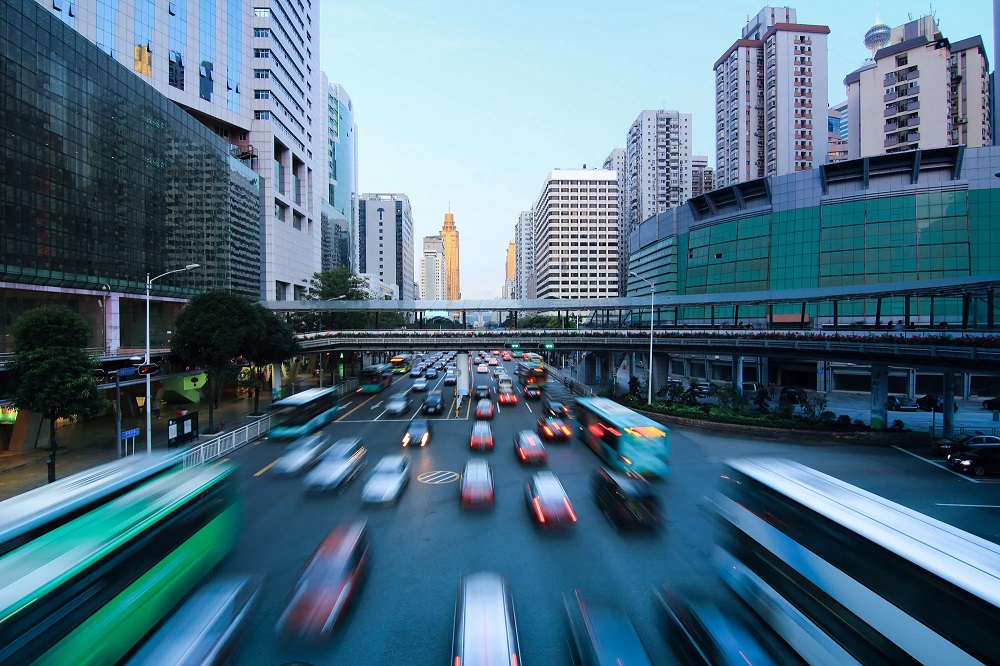
Urban driving is one of the most demanding challenges a motorist can face. Dense metropolitan areas bring together an unpredictable mix of delivery vans, commuter buses, ride-share vehicles, aggressive lane switchers, bicyclists, and pedestrians stepping off curbs. During peak rush hours, city streets transform into tight, slow-moving corridors where one minor miscalculation can lead to a fender bender, road rage, or long gridlock delays.
For many drivers, navigating heavy city traffic produces elevated stress and physical fatigue. Clutched steering wheels, tight shoulders, and constant emergency braking turn daily commutes into exhausting chores. However, confident city driving does not depend on aggressive tactics or luck. It relies on situational awareness, defensive positioning, disciplined emotional control, and a clear understanding of urban traffic flow. By developing smart driving habits and learning to read city streets proactively, you can handle the heaviest urban congestion with calm assurance.
Cultivating Proactive Spatial Awareness and the Twelve-Second Rule
The most common mistake drivers make in heavy urban traffic is fixating entirely on the rear bumper of the vehicle directly ahead. When your visual field collapses down to a few feet in front of your hood, your driving becomes purely reactive. Every tap of the brake lights ahead forces you to slam on your own brakes, creating a jerky stop-and-go pattern that strains your vehicle transmission and wears down brake pads.
Confident urban driving demands expanding your vision down the road through the twelve-second rule.
-
Scan Twelve to Fifteen Seconds Ahead: In dense urban traffic moving at twenty to thirty miles per hour, this distance spans approximately one to two city blocks. Looking far ahead allows you to spot delivery trucks double-parked with hazard lights, municipal buses pulling away from curbs, or construction lane closures long before you reach them.
-
Look Through Vehicle Glass: Do not treat large sport utility vehicles or commercial vans as opaque walls. Train your eyes to look through their rear and front windshields, or glance beneath their chassis, to catch flashes of brake lights three or four cars ahead in the queue.
-
Sweep Your Mirrors Continuously: Check your rearview and side mirrors every five to eight seconds. Urban environments change fast; a lane that was clear three seconds ago can suddenly be occupied by a speeding delivery scooter, a turning cyclist, or an emergency vehicle responding to a call.
-
Identify Escape Paths: Always maintain an out. When coming to a halt at a red light or stuck behind a stalled delivery van, leave enough visible pavement between your front bumper and the rear tires of the lead vehicle so you can steer around without reversing.
Looking far down the road and keeping your eyes moving gives your brain ample time to process hazards, turning sudden emergencies into predictable, controlled adjustments.
Mastering the Space Cushion and Eliminating the Accordion Effect
The frustrating stop-and-go rhythm of gridlocked city streets is known in traffic engineering as the accordion effect or traffic wave. One motorist brakes too hard, causing the vehicle behind to brake harder, until traffic half a mile back grinds to a complete, unnecessary halt.
You can actively smooth out this wave by managing a consistent, defensive space cushion around your vehicle.
Instead of accelerating quickly into open gaps only to slam on your brakes a few seconds later, aim to maintain a steady, moderate rolling speed. Leave a generous following gap of at least three to four car lengths between your vehicle and the car ahead, even in slow bumper-to-bumper traffic.
This open cushion allows you to absorb the abrupt stops of other drivers through gentle deceleration or engine braking, without ever bringing your wheels to a dead stop.
Maintaining a steady roll offers immediate mechanical and psychological benefits. It reduces wear on your brake rotors, cuts fuel consumption in half compared to aggressive throttle bursts, and prevents the jarring physical stress of constant stops. While other impatient motorists may occasionally slip into the open pocket in front of you, simply ease your foot off the accelerator, rebuild your cushion, and maintain your smooth forward momentum.
Strategic Lane Selection and Managing Urban Bottlenecks
Inexperienced city drivers constantly switch lanes in a frantic effort to find the fastest lane, darting into brief gaps the moment an adjacent row of cars moves ahead. Studies repeatedly prove that frequent lane-hopping in heavy traffic saves virtually zero travel time while drastically increasing the probability of sideswipe collisions.
Mastering urban lane discipline requires recognizing the distinct operational hazards of each lane on a multi-lane city avenue:
-
The Far-Right Curb Lane: Avoid traveling extended distances in the far-right lane. This corridor is constantly interrupted by parallel parking maneuvers, city transit buses making frequent stops, delivery couriers unloading freight, and right-turning vehicles yielding to pedestrians in crosswalks.
-
The Far-Left Median Lane: While often moving smoothly between intersections, the left lane is frequently bottlenecked by drivers waiting to make unprotected left turns across heavy oncoming traffic. Without dedicated turning bays, a single left-turning car can block an entire city block indefinitely.
-
The Center Travel Lanes: Whenever an avenue features three or more lanes traveling in one direction, prioritize the center lanes. These lanes offer the most consistent forward flow, insulated from both curb-side delivery blockages on the right and left-turning backups on the median side.
Plan your turns well ahead of time. If your route requires a right turn in three blocks, shift into the right-hand lane early to avoid last-second, high-stress lane crossings across solid white lines.
Safely Navigating Complex Urban Intersections
Intersections are the most dangerous conflict points on city roads, accounting for the vast majority of urban collisions and severe pedestrian injuries. When multiple vehicle paths intersect with crosswalks, dedicated bike lanes, and changing traffic signals, heightened vigilance is mandatory.
Approaching every intersection demands a structured defensive routine:
-
Never Block the Box: If heavy traffic is backed up on the far side of an intersection, do not enter the intersection on a green light unless there is sufficient clear space for your entire vehicle on the other side. Getting caught in the middle of a crossroads when the light turns red gridlocks cross-traffic, blocks emergency vehicles, and results in costly municipal moving violations.
-
Watch for Yellow Light Traps: Resist the temptation to accelerate through late yellow lights. City red-light enforcement cameras capture tight clearances, and aggressive left-turning oncoming drivers frequently use the yellow phase to cut across your path.
-
Pause on Fresh Green Signals: When your signal transitions to green, take two seconds to look left, right, and left again before pressing the accelerator. Red-light runners and distracted drivers rushing to beat changing signals cause the most violent side-impact broadside crashes in metropolitan areas.
-
Check Blind Spots for Cyclists Before Turning: Before executing any right turn across an urban street, physically turn your head to check your passenger-side blind spot. Bicyclists, electric scooter riders, and couriers often travel fast along the curb or inside painted bike lanes and may be moving straight through the intersection directly into your turning arc.
Treating green lights as permission to proceed only when clear, rather than an absolute guarantee of safety, protects you from common intersection hazards.
Defensive Parking, Curb Etiquette, and Door-Zone Awareness
City driving inevitably ends with the search for parking, a task that causes substantial traffic friction and personal frustration. Navigating crowded street parking requires patience and sharp awareness of your physical surroundings.
Parallel parking on busy thoroughfares requires quick, calm execution to avoid backing up traffic behind you. Signal your intention to park at least half a block early by engaging your right turn blinker. When pulling alongside the front vehicle, check your rearview mirrors to confirm that following traffic has noticed your hazard or turn signal and halted. If a following car crowds your bumper, calmly wait with your blinker on until they recognize the maneuver and move around you.
Equally critical is door-zone awareness when traveling along rows of parked cars. Keep your vehicle centered in your lane, giving at least four feet of clearance between your passenger door and the driver doors of parked cars. People exiting parallel-parked vehicles frequently swing doors wide into active traffic lanes without looking. Scanning parked vehicles ahead for illuminated brake lights, exhaust fumes, or silhouettes in the driver seat alerts you to people preparing to pull out into traffic or step into the street.
Managing Driver Fatigue, Stress, and Road Rage
The most sophisticated driving skills can fail if a driver is overcome by stress, anxiety, or anger. Dense traffic spikes heart rates and triggers fight-or-flight evolutionary responses. When people feel trapped behind slow drivers or frustrated by rude maneuvers, rational thinking gives way to emotional, aggressive driving.
Maintaining emotional composure behind the wheel is a practical safety measure:
-
Adjust Your Arrival Expectations: The single biggest trigger for road rage and reckless driving is leaving late for an appointment. When you have zero schedule buffer, every red light and slow delivery truck feels like a personal attack. Add twenty to thirty minutes of transit padding to every urban trip so delays do not disrupt your schedule.
-
Consciously Relax Physical Tension: Check in with your physical posture periodically. Unclench your jaw, drop your shoulders away from your ears, loosen your grip on the steering wheel, and take deep, slow diaphragmatic breaths to lower your physical stress response.
-
Reframe the Actions of Other Motorists: Do not take bad driving personally. When another driver cuts you off, fails to use a turn signal, or hesitates at an intersection, assume they are lost, managing an emergency, or having a bad day rather than actively disrespecting you. Giving away your right-of-way calmly avoids escalating dangerous road-rage encounters.
-
Curate Your In-Cabin Environment: Modern cars provide quiet sanctuaries against city noise. Play calming audiobooks, instrumental music, or conversational podcasts rather than loud, frantic programming that elevates your heart rate in gridlock.
A relaxed, level-headed driver makes clear, calculated decisions, transforming heavy traffic from an emotional ordeal into a manageable, routine commute.
Frequently Asked Questions
What is the best method for merging onto a congested urban freeway without causing an accident?
The safest way to merge into dense highway traffic is using the zipper merge method at prevailing traffic speeds. Accelerate down the on-ramp to match the pace of highway traffic, rather than stopping at the beginning of the ramp. Use your turn signal early to indicate your intent, identify a single gap between two vehicles, and merge smoothly into the flow at the very end of the merging lane. Stopping completely on an active on-ramp creates a severe rear-end collision hazard and makes merging into moving traffic nearly impossible.
How should a driver react when approached by an emergency vehicle in bumper-to-bumper city traffic?
When an emergency vehicle approaches with active sirens and flashing lights in heavy congestion, remain calm and assess traffic around you before moving. Signal your intention and steer your vehicle to the right curb edge as far as safely possible to create a center or side corridor for the emergency crew. If you are stopped at a red light with cross-traffic active, do not drive blindly into the intersection; move forward slightly and angle your car to the right within your lane, allowing the emergency vehicle to navigate around you.
Why do navigation applications sometimes recommend erratic side-street detours during heavy traffic?
Navigation algorithms prioritize calculated time savings, often directing drivers through residential neighborhoods and side streets to bypass highway or avenue bottlenecks. However, these detours often involve stop signs, speed humps, narrow parked corridors, school zones, and difficult unsignaled left turns onto busy avenues. In many cases, following these erratic alternate routes increases your driving stress and accident exposure while shaving off only two or three minutes compared to staying on main thoroughfares.
What should a motorist do if their vehicle begins to overheat while idling in heavy traffic?
If your temperature gauge climbs toward the red zone or an engine coolant light illuminates while trapped in gridlock, turn off the air conditioning system immediately to reduce engine load. Next, turn your cabin heater on to the maximum temperature and highest fan speed; the heater core acts as a secondary mini-radiator, pulling excess thermal energy away from the engine block. Roll your windows down to manage the heat, keep your vehicle rolling steadily in neutral during long stops, and look for the first opportunity to pull over safely and shut off the engine.
How does night driving alter visual perception and hazard detection in city traffic?
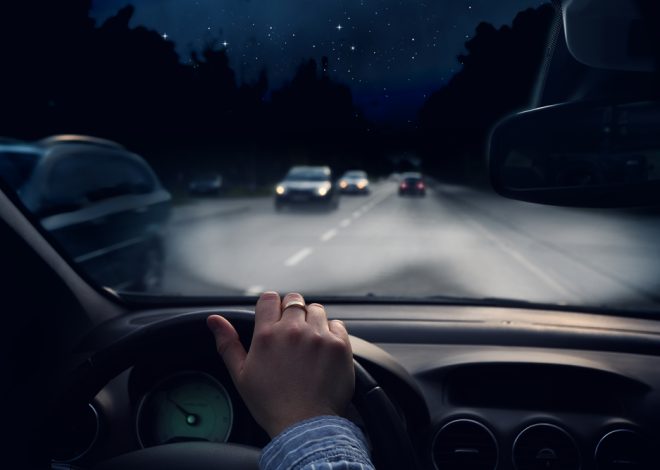
Night driving in urban centers creates intense contrast and optical glare from neon signs, overhead streetlamps, LED headlights, and digital billboards. This visual clutter washes out contrast sensitivity, making it hard to spot pedestrians dressed in dark clothing or cyclists operating without reflective gear. Furthermore, wet asphalt after rain acts as a mirror, reflecting ambient light upward and obscuring painted lane markings, requiring drivers to reduce speeds and scan crosswalks with extra care.
What are the main hazards of driving alongside heavy municipal buses and articulated transit vehicles?
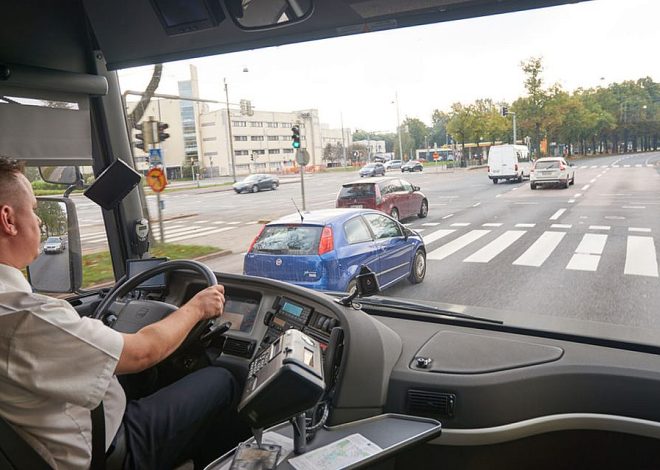
Municipal buses have substantial blind spots directly behind their rear bumper, along their right flank, and immediately below the front windshield. Buses make frequent, abrupt stops at curb zones and often swing wide to the left before executing sharp right turns. Never attempt to pass a bus on its right side, and always give articulated buses plenty of room around intersections, as their long trailer sections cut across adjacent lanes during turns.
How can a driver protect their vehicle mirrors and bumpers from damage on narrow city streets?
When driving down narrow streets lined with parked cars on both sides, reduce your speed to give yourself time to judge clearances. Fold your driver-side mirror inward whenever parking on narrow two-way roads or tight one-way corridors to prevent passing vehicles from clipping the housing. Furthermore, keep your tires straight rather than angled toward traffic when parked parallel, which prevents passing vehicles from snagging your exposed wheel rims and tie rods.