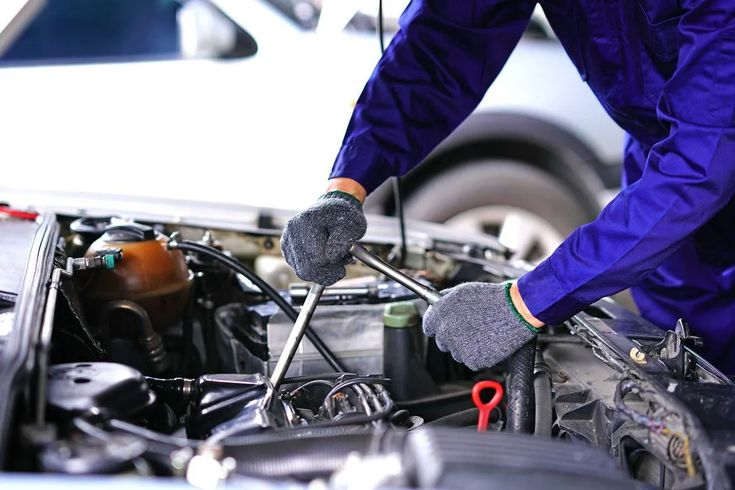
How Quality Auto Service Protects Your Engine Performance
Your engine is the most complex and expensive component in your vehicle. Its performance depends heavily on how well it’s maintained over time. Quality auto service goes beyond basic repairs—it focuses on preserving engine efficiency, preventing wear, and ensuring consistent power delivery.
Understanding how professional, high-standard service protects engine performance helps car owners make smarter maintenance choices and avoid costly failures.
What Defines Quality Auto Service?
Quality auto service is not just about replacing parts. It’s about precision, expertise, and preventive care.
High-quality service includes:
- Accurate diagnostics
- Manufacturer-approved procedures
- Skilled technicians
- Proper parts and fluids
This approach ensures the engine operates exactly as designed.
The Link Between Maintenance and Engine Performance
Engines rely on precise timing, lubrication, and airflow. When maintenance is neglected, performance gradually declines.
Quality service helps maintain:
- Optimal combustion efficiency
- Consistent power output
- Smooth engine operation
Regular care prevents small inefficiencies from becoming performance-robbing problems.
Proper Lubrication and Friction Control
Engine oil plays a critical role in protecting internal components. Poor-quality service or delayed oil changes increase friction and heat.
How Quality Oil Service Protects the Engine
Professional oil service ensures:
- Correct oil type and viscosity
- Clean oil filters
- Proper service intervals
Reduced friction means less wear, better performance, and longer engine life.
Fuel System Health and Power Delivery
The fuel system directly affects how efficiently your engine produces power.
Quality auto service supports fuel efficiency by:
- Cleaning fuel injectors
- Maintaining proper air-to-fuel ratios
- Ensuring consistent fuel delivery
A clean, balanced fuel system improves throttle response and acceleration.
Engine Diagnostics and Performance Optimization
Modern engines rely on sensors and control modules to function efficiently. Quality service uses advanced diagnostics to monitor and adjust these systems.
Diagnostics help:
- Detect misfires or timing issues
- Identify failing sensors
- Optimize engine control settings
This precision keeps engine performance consistent under all driving conditions.
Cooling System Maintenance and Thermal Control
Excess heat is one of the biggest threats to engine performance. Quality service ensures the cooling system works effectively.
Cooling system care includes:
- Coolant quality checks
- Radiator and hose inspections
- Thermostat performance testing
Stable operating temperatures prevent power loss and internal damage.
Airflow Management and Combustion Efficiency
Engines need clean, unrestricted airflow to perform well. Dirty filters or intake issues reduce power and efficiency.
Quality auto service maintains:
- Clean air filters
- Proper intake system sealing
- Accurate airflow sensor readings
Efficient airflow supports smooth combustion and responsive performance.
Preventing Performance Loss Over Time
Engine performance rarely drops suddenly. It usually declines slowly due to accumulated neglect.
Quality auto service prevents:
- Carbon buildup
- Sensor drift
- Uneven engine wear
Consistent maintenance keeps performance strong even as mileage increases.
The Cost of Poor-Quality Service
Low-quality service often focuses on speed and price rather than precision. This can harm engine performance.
Common risks include:
- Incorrect fluids
- Improper installation
- Missed underlying issues
Poor service often leads to repeat visits, reduced performance, and higher long-term costs.
Long-Term Engine Reliability and Resale Value
Engines that perform well tend to last longer and retain value.
Quality service contributes to:
- Extended engine lifespan
- Fewer unexpected repairs
- Higher resale appeal
Buyers value vehicles with documented, professional maintenance history.
Why Professional Expertise Matters
Modern engines are highly technical. Professional technicians understand how systems interact and how small issues affect performance.
Professional service offers:
- Accurate interpretation of data
- Correct adjustments and calibrations
- Manufacturer-specific knowledge
Expert care is essential for protecting modern engine performance.
FAQs About Quality Auto Service and Engine Performance
Can quality auto service really improve engine performance?
Yes. Proper maintenance restores efficiency, power delivery, and smooth operation.
Does cheap service harm engine performance?
It can. Poor-quality parts or incorrect procedures often reduce efficiency and increase wear.
How often should engine performance be checked?
At least annually, or whenever performance changes are noticed.
Do diagnostics replace regular maintenance?
No. Diagnostics complement maintenance but don’t replace routine service.
Can quality service prevent engine overheating?
Yes. Cooling system maintenance is a key part of performance protection.
Does engine performance affect fuel economy?
Absolutely. Efficient engines use fuel more effectively and waste less energy.
Is quality auto service more important for high-mileage cars?
Yes. As engines age, precise maintenance becomes even more critical.