Sustainability and the Future of Car Dealerships
The global automotive industry is at a critical turning point, and sustainability and the future of car dealerships have become inseparable. Environmental responsibility is no longer just a marketing angle; it’s a business necessity driven by evolving consumer values, government regulations, and the technological transformation of vehicles themselves. For car dealerships, adapting to this change means more than offering electric vehicles—it requires a complete rethinking of operations, culture, and long-term strategy.
The Shift Toward Sustainable Automotive Retail
Car dealerships have traditionally operated within a model centered on volume-based sales, physical showrooms, and long-term service contracts. However, sustainability introduces a new dimension that challenges these conventional practices. Consumers are becoming more environmentally conscious, governments are introducing stricter emissions regulations, and automakers are shifting production toward electric and hybrid vehicles.
In this evolving environment, dealerships are redefining success. Profitability is now linked not only to the number of cars sold but also to how efficiently and responsibly a dealership operates. Forward-thinking businesses recognize that sustainability enhances brand reputation, attracts younger buyers, and ensures compliance with future environmental laws.
Environmental Impact of Traditional Dealership Operations
Before exploring the sustainable future, it’s important to understand how traditional dealerships contribute to environmental challenges. The automotive retail ecosystem has several areas of impact:
- Energy Consumption: Large showrooms, bright lighting, and air-conditioned spaces consume significant electricity.
- Water Usage: Car washes and detailing departments often waste water and rely on harsh chemicals.
- Waste Generation: Packaging materials, oil containers, and disposable cleaning products add to landfills.
- Vehicle Emissions: Test drives and transportation of vehicles from factories to lots contribute to carbon emissions.
Recognizing these issues allows dealerships to target areas where sustainable practices can make the biggest difference.
How Car Dealerships Are Transitioning to Sustainability
The movement toward sustainability in dealerships isn’t happening overnight. It’s the result of deliberate strategy, technological investment, and cultural change. Let’s examine the main areas where dealerships are evolving.
1. Energy-Efficient Facilities
Modern car dealerships are investing heavily in green building practices. By using solar panels, LED lighting, and smart HVAC systems, they can significantly reduce their carbon footprint. Energy-efficient showrooms not only lower utility bills but also signal to customers that the business takes environmental responsibility seriously.
Key initiatives include:
- Installing solar arrays to power operations and EV charging stations
- Upgrading insulation to reduce energy loss
- Replacing outdated fluorescent lights with motion-sensor LED systems
- Using smart thermostats to optimize heating and cooling cycles
Dealerships that achieve LEED (Leadership in Energy and Environmental Design) certification gain additional credibility in the eyes of eco-conscious consumers.
2. Sustainable Water and Waste Management
Water is a valuable resource, and dealerships are finding innovative ways to conserve it. Recycled water systems for car washes, biodegradable cleaning products, and efficient water reclamation setups are becoming industry standards.
In terms of waste reduction, dealerships are:
- Implementing recycling programs for cardboard, glass, and metal
- Partnering with certified disposal companies for hazardous materials like oil and coolant
- Transitioning to digital documentation to minimize paper waste
3. Electric Vehicle (EV) Integration
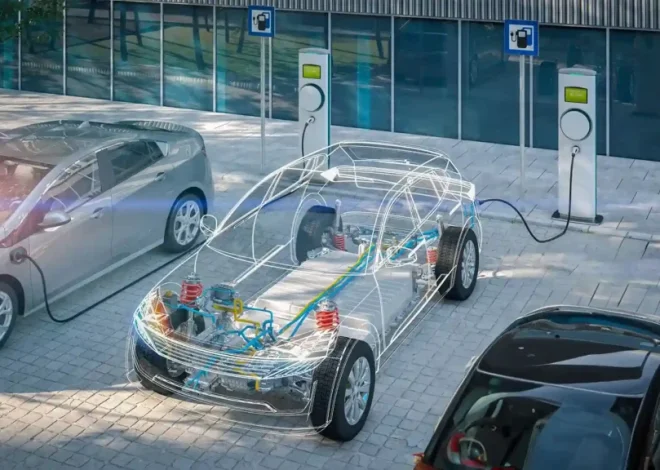
The rise of electric vehicles represents both the biggest challenge and the greatest opportunity for the future of car dealerships. Selling an EV is fundamentally different from selling a traditional combustion vehicle. Customers expect expert knowledge on charging infrastructure, maintenance, and government incentives.
Leading dealerships are responding by:
- Installing public EV charging stations on-site
- Training staff to provide accurate EV education and consultation
- Partnering with energy providers to help customers install home charging setups
- Updating inventory systems to manage EV and hybrid models efficiently
By embracing EV adoption, dealerships are aligning with the direction of global mobility while positioning themselves as sustainable leaders.
4. Digital Transformation and Paperless Operations
The push for sustainability has also accelerated the digital transformation of the automotive retail sector. Online car buying, digital financing applications, and virtual paperwork drastically reduce resource consumption while offering customers convenience.
Digital solutions also allow for smarter resource allocation:
- Virtual showrooms reduce the need for massive display spaces
- AI-driven CRM systems optimize energy use and inventory management
- Paperless contracts reduce administrative waste and human error
This technology-driven sustainability not only benefits the planet but also improves operational efficiency and customer satisfaction.
The Financial Case for Sustainability
One misconception is that sustainable practices are costly. In reality, eco-friendly investments often deliver measurable returns. For example, dealerships with solar installations can save thousands annually on energy expenses. Water recycling systems lower utility bills, and LED conversions can pay for themselves within a few years.
Moreover, sustainability attracts a growing segment of environmentally conscious consumers. Studies indicate that younger generations, particularly Millennials and Gen Z, are far more likely to purchase from companies that demonstrate environmental and social responsibility. Dealerships that showcase green initiatives through their marketing and community involvement gain a competitive edge.
Government Incentives
Many dealerships also take advantage of federal and state programs that offer rebates for energy-efficient improvements. These incentives make the transition more affordable and help dealerships future-proof their operations against rising energy costs and stricter environmental regulations.
Training and Workforce Transformation
Sustainability also affects human resources. Employees must be trained not only on selling electric and hybrid vehicles but also on communicating the dealership’s environmental values. This cultural shift promotes employee pride and improves customer engagement.
Training programs now focus on:
- Educating sales teams about EV technology, range, and battery life
- Teaching service technicians to handle high-voltage systems safely
- Encouraging eco-friendly habits such as reducing idling during vehicle inspections
By investing in sustainability training, dealerships enhance both staff expertise and operational consistency.
The Role of Technology in Sustainable Dealership Operations
Technology is at the heart of sustainability in modern automotive retail. From AI-driven analytics to cloud-based management, dealerships are leveraging advanced tools to optimize every process.
Predictive Analytics for Inventory Efficiency
AI systems help dealerships track consumer demand and predict future trends. This prevents overstocking, reduces transport emissions, and ensures the right mix of vehicles is available for customers.
Smart Energy Systems
Connected sensors can monitor energy use in real time, automatically adjusting lighting and temperature based on occupancy. This technology reduces waste without sacrificing comfort or aesthetics.
Digital Vehicle Health Reports
For service departments, digital diagnostics reduce unnecessary part replacements and optimize maintenance schedules, minimizing waste and cost.
The Community Connection: Building a Sustainable Reputation
Car dealerships are more than just retail centers—they’re community landmarks. Integrating sustainability into community outreach helps build trust and brand loyalty.
Common community-driven initiatives include:
- Hosting electric vehicle education workshops
- Sponsoring local environmental clean-up events
- Partnering with schools to teach eco-friendly driving habits
- Offering free EV charging during community events
Such efforts demonstrate authenticity and social responsibility, making sustainability a cornerstone of brand identity.
Future Outlook: What Sustainability Means for Dealership Longevity
As automakers continue their transition to fully electric lineups, dealerships must adapt to remain relevant. The next decade will bring even greater emphasis on automation, data integration, and environmental efficiency.
Dealerships of the future will likely:
- Operate net-zero energy facilities
- Offer complete EV charging networks for customers
- Provide subscription-based mobility services rather than traditional ownership
- Use blockchain systems for transparent, paperless transactions
In this evolving ecosystem, sustainability will be more than an operational choice—it will define a dealership’s survival and long-term profitability.
Frequently Asked Questions (FAQ)
Q1: How can smaller dealerships afford to go green?
Smaller dealerships can begin with low-cost steps such as switching to LED lighting, reducing paper usage, and introducing recycling programs. Many states also provide tax incentives for energy-efficient upgrades, making sustainability financially achievable.
Q2: Are customers really influenced by a dealership’s sustainability efforts?
Yes. Research shows that environmentally conscious customers prefer to buy from businesses that share their values. A dealership that highlights green initiatives can attract new buyers and enhance brand trust.
Q3: Will sustainability affect vehicle service departments?
Absolutely. Service departments must adapt to handle EV maintenance, battery recycling, and software updates instead of traditional oil changes and exhaust repairs.
Q4: How does going paperless improve sustainability?
Paperless systems reduce waste, speed up transactions, and create a more transparent customer experience. Digital documentation also minimizes physical storage needs and lowers administrative costs.
Q5: What’s the biggest challenge for dealerships adopting sustainability?
The main challenge lies in balancing upfront investment with long-term gains. Implementing green infrastructure and training employees requires time and resources, but the payoff includes operational savings, stronger brand loyalty, and regulatory compliance.
The intersection of sustainability and the future of car dealerships defines where automotive retail is headed. Dealerships that embrace eco-conscious strategies today are not just adapting to market demands—they are leading a transformation that will shape the entire automotive landscape for decades to come.