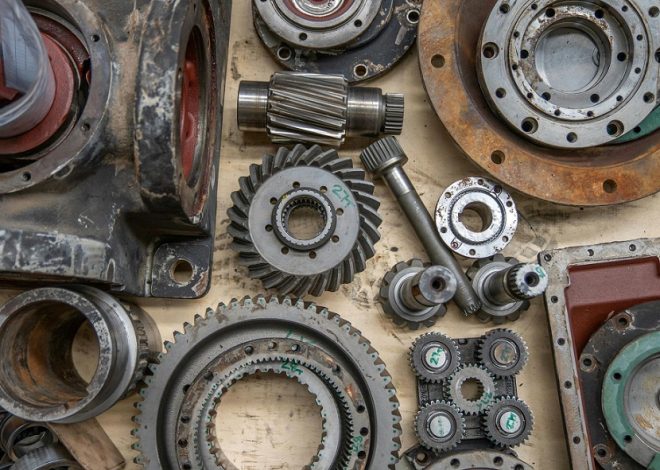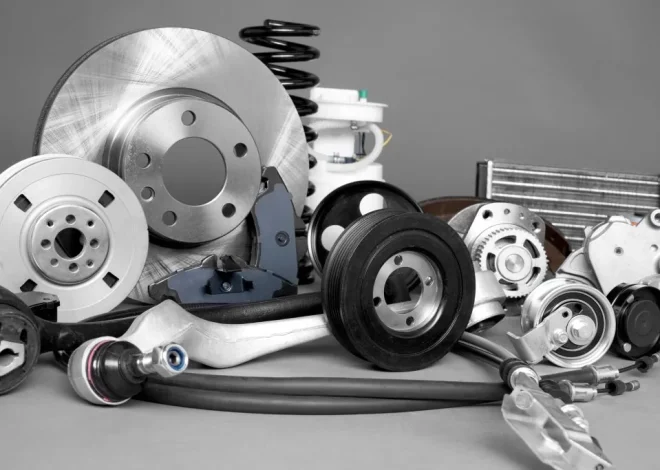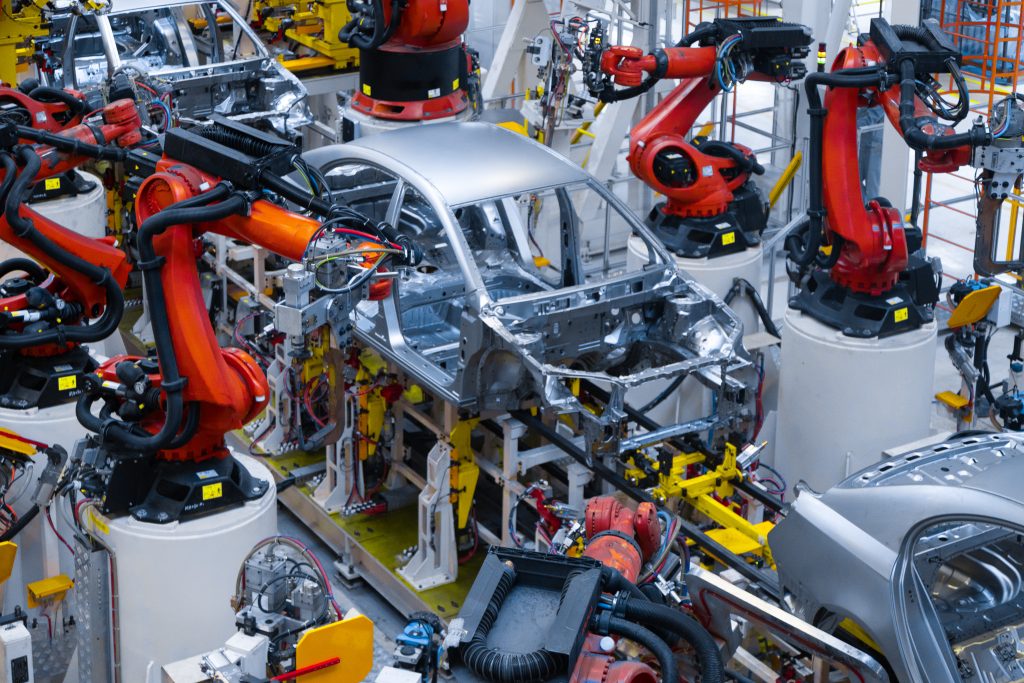
The Evolution and Critical Role of Auto Parts in the Modern Automotive Industry
The world of auto parts forms the backbone of the global automotive ecosystem, connecting innovation, safety, and sustainability. These components are not mere replacements; they represent the intricate engineering that keeps millions of vehicles functioning reliably on the road every day. From complex electronic systems to mechanical assemblies, each part contributes to performance, efficiency, and the overall driving experience. In an era defined by electrification, supply chain transformation, and growing consumer awareness, understanding the evolution and importance of auto parts is vital for anyone in the automotive field.
Understanding the Core of Auto Parts
Auto parts are the foundation of every vehicle—responsible for safety, comfort, and performance. They can be classified into two broad categories: OEM (Original Equipment Manufacturer) and Aftermarket.
- OEM Parts are produced or approved by the vehicle’s original manufacturer. They adhere strictly to factory specifications, ensuring precise compatibility and reliability.
- Aftermarket Parts are made by third-party manufacturers. These can vary in quality and price but often offer greater flexibility and availability for repairs and modifications.
Each system in a vehicle—whether it’s the engine, braking, or electronic control unit—relies on meticulously engineered parts that must work in perfect harmony.
Key Categories of Auto Parts
- Powertrain Components: Includes the engine, transmission, clutch, and differential. These parts deliver power from the engine to the wheels and are the heart of any vehicle’s performance.
- Suspension and Steering Systems: Responsible for handling, stability, and ride comfort. Components like shocks, control arms, and tie rods ensure smooth operation even under harsh driving conditions.
- Electrical and Electronic Systems: Modern vehicles depend heavily on electrical architecture, including sensors, control modules, and onboard computers that manage everything from fuel injection to driver assistance features.
- Body and Interior Parts: Exterior panels, mirrors, lighting systems, dashboards, and seats define the vehicle’s design and comfort levels.
- Consumable and Maintenance Parts: Filters, brake pads, wiper blades, and belts are replaced frequently to maintain safety and efficiency.
Each category plays a crucial role in determining vehicle longevity, performance, and overall value retention.
The Economic Power of the Auto Parts Industry
The auto parts sector is a cornerstone of the U.S. economy, employing millions of people across manufacturing, logistics, retail, and repair industries. The aftermarket segment alone accounts for hundreds of billions of dollars annually, reflecting the growing number of vehicles in operation.
According to recent industry insights, the demand for replacement and upgrade parts continues to rise due to:
- An aging vehicle population, with cars lasting longer than ever before.
- The shift toward digitalized and electric vehicles requiring specialized components.
- Increased consumer interest in customization and performance enhancement.
Supply Chain and Domestic Production
The auto parts supply chain in the U.S. is both global and local. While some components are imported, a significant share is manufactured domestically, supporting regional economies and promoting resilience against global disruptions.
In recent years, the industry has focused on reshoring production—bringing manufacturing back to the United States—to strengthen quality control and reduce dependency on foreign suppliers.
The Role of Technology in Modern Auto Parts
Digitization and Smart Manufacturing
Technological advancement has redefined how auto parts are designed and produced. Modern manufacturing integrates AI-driven automation, robotics, and 3D printing to achieve precision, consistency, and reduced waste.
Key innovations shaping the industry include:
- Additive Manufacturing: Enables rapid prototyping and small-batch production of custom parts.
- Predictive Maintenance Sensors: Components embedded with sensors provide real-time performance data, helping drivers and mechanics detect issues early.
- Sustainable Materials: Manufacturers increasingly use recycled metals, bioplastics, and composites to reduce environmental impact.
Electric Vehicles and Component Transformation
Electric vehicles (EVs) are reshaping the entire parts landscape. Traditional systems like engines and transmissions are being replaced by battery packs, electric motors, and advanced cooling systems.
The evolution toward EVs brings new categories of auto parts, such as:
- Battery management systems (BMS)
- Power inverters and converters
- Regenerative braking components
- High-voltage wiring harnesses
These specialized components demand a high level of technical expertise, reshaping both manufacturing processes and aftermarket service models.
Quality Assurance and Safety Standards
The integrity of auto parts directly affects vehicle safety. Every component, from a small bolt to a complex airbag module, must pass rigorous testing and certification.
Industry Standards and Regulations
To maintain safety and reliability, parts must meet specific federal and international standards, including:
- SAE (Society of Automotive Engineers) specifications
- DOT (Department of Transportation) regulations for lighting and braking components
- ISO/TS 16949 certification for quality management in the automotive sector
Failure to adhere to these standards can result in recalls, accidents, and significant financial losses. That’s why reliable manufacturers invest heavily in testing, research, and continuous improvement.
Sustainability and the Future of Auto Parts
Sustainability is no longer optional in the auto parts industry—it’s a strategic priority. As climate goals tighten and consumers demand greener solutions, manufacturers are rethinking everything from materials to logistics.
Eco-Friendly Manufacturing Practices
- Recycling and Reuse: Many auto parts are now designed for recyclability. Metals, plastics, and even lithium-ion batteries are recovered and reprocessed.
- Energy Efficiency: Factories are adopting renewable energy sources and optimizing production lines to minimize emissions.
- Lifecycle Management: Digital tracking allows companies to monitor the lifecycle of each part, from creation to disposal.
The Rise of Remanufactured Parts
Remanufactured auto parts—components that are restored to like-new condition—represent a sustainable and cost-effective alternative. They reduce waste, lower production costs, and offer comparable performance to new parts.
This sector is expected to expand rapidly, driven by both environmental policy and consumer awareness.
The Consumer Perspective: Choosing the Right Auto Parts
For vehicle owners, selecting the correct parts can significantly influence performance, safety, and cost.
Key considerations when purchasing parts include:
- Compatibility: Always verify that the part matches your vehicle’s make, model, and year.
- Certification: Look for quality certifications or warranties that indicate reliability.
- Material and Build Quality: Inferior materials may fail prematurely or compromise safety.
- Price vs. Value: The cheapest part isn’t always the best choice; long-term reliability often saves more money.
- Supplier Reputation: Buying from verified suppliers ensures authenticity and quality assurance.
With online marketplaces and local stores offering vast options, informed decision-making has become essential for consumers.
The Workforce Behind Auto Parts
The success of the auto parts industry depends on skilled labor—engineers, machinists, quality inspectors, and logistics experts. As manufacturing evolves, new skill sets are required, including proficiency in digital tools, data analysis, and sustainability management.
Training programs and partnerships between educational institutions and manufacturers are helping to fill these gaps, ensuring a steady pipeline of qualified professionals.
The Future Outlook for Auto Parts
The next decade will witness unprecedented transformation in how vehicles and their components are designed, produced, and serviced. Automation, AI, and data-driven insights will make parts smarter and more efficient.
Additionally, connected vehicles will communicate with manufacturers and service providers, enabling predictive maintenance and reducing downtime. In the long term, this interconnected ecosystem will redefine the role of auto parts as integral elements of intelligent mobility.
Frequently Asked Questions (FAQs)
Q1: What are the most commonly replaced auto parts in vehicles?
Commonly replaced parts include brake pads, filters, wiper blades, spark plugs, and batteries. These components wear out regularly due to usage and environmental factors.
Q2: How does climate affect auto parts durability?
Extreme temperatures can impact materials such as rubber, plastic, and metal. For instance, cold climates can cause rubber seals to crack, while heat can accelerate corrosion and battery wear.
Q3: Are remanufactured parts reliable?
Yes, when sourced from certified suppliers, remanufactured parts are tested for quality and often perform comparably to new parts at a lower cost.
Q4: How often should I replace essential parts like belts and hoses?
Most belts and hoses should be inspected every 30,000 miles and replaced as recommended by the manufacturer, typically around 60,000 to 100,000 miles depending on use.
Q5: What is the difference between genuine and aftermarket parts?
Genuine parts are produced or endorsed by the vehicle manufacturer, while aftermarket parts come from independent suppliers. Both can be high-quality, but fitment and warranty coverage may differ.
This comprehensive look at auto parts highlights their indispensable role in powering the modern automotive landscape. As technology advances and sustainability becomes central, the industry continues to evolve—driving progress not only for vehicles but for the entire global economy.