Car Dealer Trends That Are Reshaping the Automotive Industry
The traditional automotive dealership model was once defined by physical lot browsing, high-pressure negotiations behind closed doors, paper-heavy finance offices, and localized territorial exclusivity. For generations, this framework operated with minimal structural change. Consumers had few options other than visiting local showrooms in person, spending hours comparing sticker prices, and navigating complicated paperwork to purchase or lease a vehicle.
Today, that legacy retail model is undergoing its most comprehensive restructuring in decades. Driven by shifting consumer expectations, evolving original equipment manufacturer strategies, digital technologies, and regulatory pressures for price transparency, dealership networks are reinventing how they operate. Rather than acting merely as transactional sales lots, modern dealerships are becoming high-tech mobility hubs. Exploring the major trends reshaping automotive retail reveals how dealerships are adapting to protect profitability, improve customer trust, and secure their place in a modern automotive ecosystem.
The Shift to True Omnichannel Digital Retailing
Automotive consumers no longer begin their buying journey on a physical showroom floor. The vast majority of vehicle shoppers conduct comprehensive online research before ever making contact with a dealership. While full end-to-end online purchases remain a developing segment, buyers expect complete continuity between their digital screens and physical showroom visits.
Modern automotive retail has moved from fragmented online lead forms to integrated omnichannel workflows.
-
Seamless Cart-to-Showroom Progression: Shoppers can configure exact trims, evaluate trade-in valuations, customize financing terms, and pre-select protection packages on a dealership website. When they visit the physical store for a test drive, sales consultants pull up the identical digital deal profile without forcing the buyer to restart the conversation from scratch.
-
Real-Time Dynamic Inventory: Dealerships integrate their dealer management systems with digital search feeds, providing shoppers with live, accurate window stickers, window photos, and exact vehicle delivery arrival times rather than generic stock photography.
-
Remote Document Execution: Digital signing portals, remote identity verification, and mobile notary deliveries allow consumers to finalize complex lease or purchase contracts from home, dramatically cutting the time spent in the physical finance office.
-
At-Home Test Drives and Delivery: Progressive dealerships offer concierge programs that bring vehicles directly to a customer driveway for personal evaluation and final handover, catering to convenience-oriented professionals.
Dealerships that bridge digital and physical retail touchpoints capture higher conversion rates and build stronger initial rapport with prospective buyers.
Artificial Intelligence in Dealership Operations and Fraud Prevention
Artificial intelligence has rapidly transitioned from an experimental concept into a foundational operational tool across dealership departments. Automotive retailers manage thousands of complex customer interactions, warranty submissions, inventory fluctuations, and lending requirements daily. AI systems help streamline these tasks, eliminating human error and speeding up deal processing.
One of the most critical applications of AI in modern retail is automated fraud screening. Auto lending fraud and synthetic identity theft have surged across the financial sector, costing lenders and automotive retailers billions of dollars annually. Advanced finance and insurance software now deploys machine learning algorithms to verify identity documents, inspect facial biometrics, and cross-reference financial data in seconds before a vehicle leaves the lot.
Beyond security, AI agents and predictive analytics optimize core commercial tasks:
-
Predictive Inventory Acquisition: Machine learning models evaluate regional auction prices, seasonal demand shifts, local economic trends, and service lane vehicle equity to recommend exactly which used vehicles a dealer should buy and at what price.
-
Automated Customer Communications: Natural language AI assistants handle initial website inquiries, answer detailed mechanical specifications, schedule service appointments, and qualify finance leads around the clock.
-
Intelligent Service Diagnostics: Connected telematics systems allow service departments to read vehicle fault codes remotely, pre-order replacement parts, and schedule preventative maintenance before a customer experiences a roadside breakdown.
Deploying intelligent automation frees dealership staff from manual data entry, enabling sales and service advisors to concentrate on building authentic customer relationships.
Direct-to-Consumer Pressure and the Rise of the Agency Model
The rise of direct-to-consumer sales from electric vehicle manufacturers has placed intense competitive pressure on traditional franchised dealership networks. Direct sales models appeal to modern buyers by offering fixed, non-negotiable pricing, direct factory ordering, and the total elimination of adversarial showroom haggling.
In response, legacy automakers and dealer associations are navigating a transition toward modified agency sales structures.
Under a pure agency model, the vehicle manufacturer maintains ownership of the physical new car inventory and dictates unified, transparent national retail pricing. The local dealership no longer purchases inventory wholesale from the factory to hold on expensive floorplan financing lines. Instead, the dealer serves as a customer experience center, managing test drives, handling handover logistics, and completing post-delivery service, receiving a fixed commission or delivery fee for each vehicle completed.
While state franchise laws in the United States present legal hurdles to full nationwide agency implementations, hybrid variations are becoming common. Automakers and dealers are increasingly collaborating on build-to-order reservation platforms, shared regional vehicle distribution depots, and transparent pricing policies that offer the convenience of direct ordering while preserving the physical delivery and service infrastructure of the local dealer.
Transparent Pricing Models and Regulatory Compliance
Consumer frustration with hidden fees, unexpected dealer markups, and forced add-ons has prompted a widespread movement toward upfront, transparent pricing. Modern consumers demand clear, out-the-door pricing before committing to an in-person dealership visit.
This market shift is accelerated by heightened regulatory scrutiny, such as Federal Trade Commission rules targeting automotive retail transparency and deceptive fees.
Dealerships are overhauling their sales processes to comply with regulatory mandates and align with consumer expectations:
-
Upfront Out-the-Door Disclosures: Leading dealership groups display the complete vehicle offering price upfront, itemizing government registration fees, doc fees, and applicable sales taxes directly on digital vehicle detail pages.
-
Transparent Add-On Optionality: Dealers are eliminating forced dealer-installed accessories, such as mandatory paint protection coatings or window tinting, requiring clear written disclosure and informed consumer consent before any protection product is added to a contract.
-
Single-Point-of-Contact Sales Structures: Many progressive dealerships are retiring the traditional handoff from the sales associate to the sales manager and finally to the finance and insurance manager. Instead, a single customer advisor guides the buyer through the entire journey, from the initial test drive to financing approval and final key delivery.
Embracing pricing clarity dismantles the historical stereotype of adversarial car buying, helping forward-thinking dealerships stand out in competitive regional markets.
Retooling the Fixed Operations Service Department
While new and used vehicle sales represent the highest gross revenue figures for dealerships, the fixed operations department—encompassing parts, maintenance, and collision repair—is the primary engine of long-term dealership profitability. As vehicle margins experience cyclical compression, dealers are investing heavily in modernizing their service lanes.
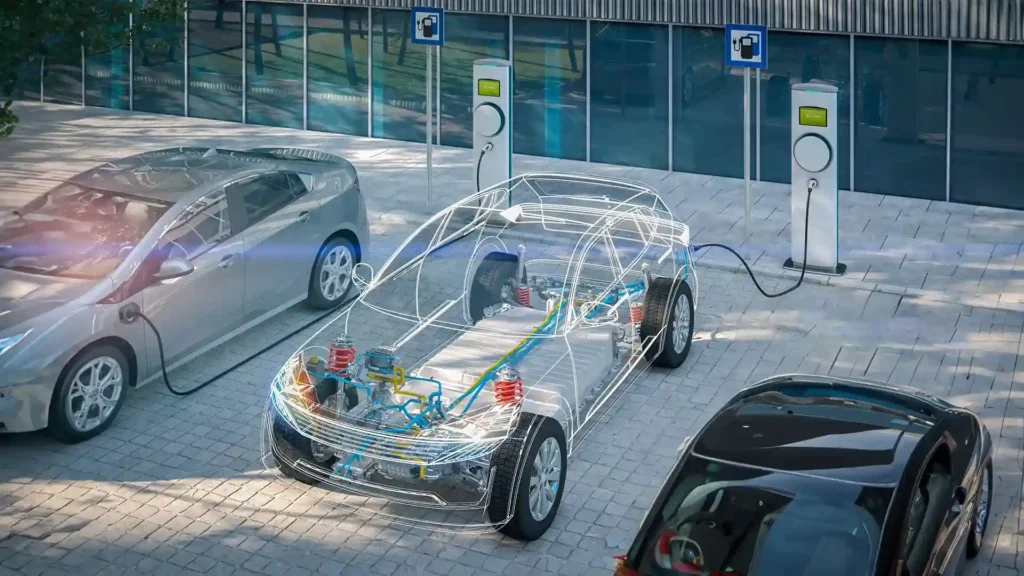
The growing adoption of hybrid and electric vehicles demands substantial capital investment in service bay infrastructure.
Dealerships are outfitting facilities with heavy-duty commercial vehicle lifts, specialized insulated tools, high-voltage battery diagnostic platforms, and dedicated hazardous material containment areas. Service technicians must undergo rigorous safety certifications to handle high-voltage powertrains and intricate thermal management systems.
Furthermore, service departments are adopting consumer-friendly digital communication tools:
-
Video Multi-Point Inspections: Technicians record brief smartphone videos while a vehicle is on the lift, pointing out worn brake pads, leaking suspension struts, or tire wear directly to the customer.
-
Mobile Text Approval Portals: Customers receive inspection videos and itemized repair estimates via text message, approving or declining individual maintenance recommendations with a simple tap.
-
Mobile Service Vans: To compete with independent mobile mechanics and offer superior convenience, dealerships are launching fleets of mobile service vans that perform oil changes, tire rotations, software updates, and recall work directly in customer driveways or office parking lots.
Modernizing fixed operations builds lasting customer retention, ensuring vehicle owners return to the dealership long after their initial purchase warranty expires.
The Consolidation of Independent Dealers into Mega-Groups
The capital requirements to maintain competitive automotive retail have climbed substantially. Upgrading dealership facilities to meet factory requirements, installing commercial DC fast chargers, implementing advanced cybersecurity software, and funding multi-million-dollar inventory floorplans have made operating single-point, family-owned dealerships increasingly challenging.
Consequently, the automotive retail sector is experiencing historic corporate consolidation.
Large regional auto groups and publicly traded retail consolidators are actively acquiring smaller, independent franchise dealerships. These mega-dealer networks achieve immense economies of scale that single-point stores cannot match. Large groups negotiate preferred bulk financing rates from national lenders, share consolidated back-office administrative hubs, centralize customer business development centers, and move inventory across large multi-state networks to match regional demand.
For car buyers, purchasing from a consolidated automotive group often means access to larger selections of certified pre-owned vehicles, standardized corporate customer service policies, and the ability to service vehicles at multiple sister locations within a metropolitan region.
Frequently Asked Questions
How does the agency sales model differ from traditional automotive franchising?
In the traditional franchised dealership model, the independent dealer buys vehicles wholesale from the manufacturer using credit and owns that inventory, retaining full discretion to negotiate retail sale prices, apply discounts, or charge markups. In an agency sales model, the automaker retains ownership of the inventory until final delivery and sets a uniform retail price nationwide. The local dealership acts as an agent, providing customer test drives, delivery coordination, and warranty service while earning a predetermined commission per unit handed over.
Why are video inspections becoming standard in dealership service departments?
Video multi-point inspections provide visual proof of recommended mechanical repairs, overcoming long-standing consumer skepticism regarding service recommendations. When a customer can view their actual vehicle on a lift and watch a certified technician measure thinning brake pads or demonstrate a torn rubber boot, trust increases significantly. Dealerships utilizing video inspections report higher customer approval rates and greater satisfaction scores compared to traditional verbal explanations over the phone.
What is floorplan financing and why does it affect dealership inventory management?
Floorplan financing is a specialized line of revolving commercial credit that dealerships use to purchase new and used vehicles from manufacturers and auctions. The dealer pays ongoing interest on this debt for every day a vehicle sits unsold on the physical lot. When interest rates rise or vehicle sales slow down, floorplan holding costs increase substantially, motivating dealers to adjust prices, offer promotional incentives, or discount aging inventory to clear lot space quickly.
How does synthetic identity fraud occur in automotive financing?
Synthetic identity fraud happens when criminals construct a fictitious identity by combining real and fabricated credentials, such as pairing a legitimate, unused Social Security number from a child or deceased person with a fake name, date of birth, and mailing address. Fraudsters build artificial credit histories over time and then apply for vehicle financing at dealerships. By the time the lender realizes the borrower does not exist, the criminal has driven away with an expensive vehicle that is quickly shipped overseas or disassembled for parts.
What infrastructure upgrades are required for dealerships to sell and service electric vehicles?
Dealerships selling electric vehicles must invest hundreds of thousands of dollars into facility modernizations. Key upgrades include installing commercial Level 3 DC fast-charging stations for customer and inventory use, upgrading utility electrical panels, purchasing heavy-duty vehicle lifts designed for heavy battery packs, and acquiring non-conductive tools. Additionally, facilities require fire-safe quarantine zones for damaged batteries, specialized battery handling cranes, and ongoing high-voltage safety training for technicians.
Why do some auto dealers now use a single point of contact instead of traditional finance managers?
The traditional dealership handoff from a sales associate to a finance and insurance manager has long been a major source of customer friction, as buyers frequently wait in holding areas before enduring another round of sales pitches for warranties and accessories. A single point of contact model cross-trains sales advisors to guide the customer through the entire transaction, including trade-in valuation, credit application, and final document signing. This streamlined approach shortens the transaction time and creates a more relaxed, transparent buying experience.
What advantages do mega-dealership groups offer over small independent franchise lots?
Mega-dealership groups leverage large operational scale to offer buyers broader inventory selections across multi-brand regional networks, allowing customers to transfer vehicles between group locations easily. Large dealer networks also command stronger bargaining power with major lending institutions, which can yield more competitive financing rates or flexible loan approvals. Furthermore, multi-location groups offer greater customer convenience by honoring service packages, extended warranties, and complimentary maintenance programs across any dealership within their corporate family.