Everything You Need to Know Before Buying a Used Car in the USA
Purchasing a used car can be one of the smartest financial decisions you make—if you know what to look for and how to navigate the process strategically. The used car market in the United States has evolved dramatically over the past decade, offering buyers access to high-quality, certified vehicles that often perform nearly as well as their new counterparts but at a significantly reduced price. However, with these opportunities come certain risks and challenges that every buyer must understand before making a purchase.
Why Buying a Used Car Makes Financial Sense
Buying a used vehicle is often a practical choice for individuals looking to maximize value. A new car loses nearly 20% to 30% of its value within the first year of ownership due to depreciation. By contrast, purchasing a two- to three-year-old model allows you to avoid this steep depreciation curve while still gaining access to a relatively new and reliable car.
Key Financial Benefits
- Lower Purchase Price: Used cars are generally more affordable, allowing you to buy a higher trim level or a more premium brand within your budget.
- Reduced Insurance Costs: Since the car’s value is lower, insurance premiums tend to be significantly cheaper.
- Less Depreciation: After the first few years, cars depreciate at a slower rate, meaning your investment retains value longer.
- Lower Registration Fees: In many states, registration fees are based on vehicle value and model year—making used cars cheaper to register.
Understanding the Used Car Market
The U.S. used car market is one of the largest and most dynamic in the world. From local dealerships to online platforms and auctions, buyers have an array of options to explore. However, knowing where to buy and what to expect can dramatically influence your overall satisfaction and financial outcome.
Certified Pre-Owned (CPO) Programs
Certified Pre-Owned vehicles are typically the safest option when buying used. These vehicles are inspected, refurbished, and certified by manufacturers or authorized dealerships. They come with extended warranties, roadside assistance, and detailed vehicle history reports, making them a popular choice for buyers who want peace of mind.
Private Sellers vs. Dealerships
- Private Sellers: Usually offer lower prices but may not provide any warranty or post-sale support. Always request a full maintenance record and verify the Vehicle Identification Number (VIN).
- Dealerships: Often charge more but offer warranties, financing options, and legally mandated disclosure of the car’s condition.
- Online Marketplaces: Provide convenience and a vast selection, but verifying authenticity and avoiding scams is crucial.
Essential Steps Before Buying a Used Car
1. Determine Your Budget
Before you start browsing listings, establish a realistic budget. Include not only the car’s purchase price but also taxes, registration fees, insurance, and potential repairs. Experts recommend keeping your total monthly car-related expenses below 15% of your monthly income.
2. Research the Make and Model
Not all vehicles age equally. Some models are known for reliability, while others may develop issues over time. Use trusted sources such as Consumer Reports, J.D. Power ratings, and vehicle reliability indexes to research performance history.
3. Check the Vehicle History Report
Always request a vehicle history report from services like CARFAX or AutoCheck. This report provides details such as:
- Previous ownership history
- Accident and damage records
- Odometer readings
- Service and maintenance records
- Title status (to avoid salvage or flood-damaged vehicles)
4. Inspect the Car Thoroughly
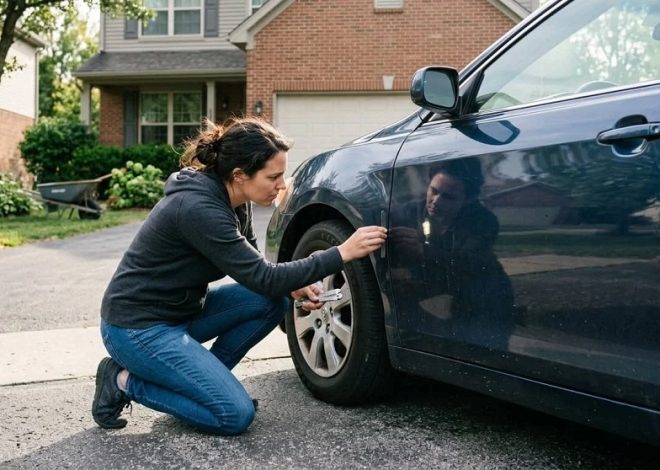
Even if the car looks good on paper, a hands-on inspection is essential. Check for signs of repainting, rust, fluid leaks, and uneven tire wear. Look closely at panel alignment, which can indicate previous accidents.
If you’re not confident in assessing these factors, hire a professional mechanic to perform a pre-purchase inspection. It’s a small investment that could save thousands in future repairs.
5. Take a Comprehensive Test Drive
A proper test drive should last at least 20 minutes and cover various road conditions. Pay attention to:
- How smoothly the car accelerates and shifts gears
- Brake responsiveness and noise
- Steering stability
- Suspension comfort on uneven roads
- Electronics, including infotainment and climate control systems
6. Evaluate the Total Cost of Ownership
When calculating affordability, factor in more than just the price tag. Consider fuel efficiency, maintenance costs, insurance rates, and expected resale value. Some older vehicles may seem cheaper but have higher long-term costs due to poor gas mileage or expensive replacement parts.
Financing Options for Used Cars
Financing a used car differs slightly from financing a new one. Interest rates are typically higher because lenders consider older vehicles riskier assets. However, you can still secure favorable terms if you have strong credit.
Tips for Smart Financing
- Shop Around: Compare rates from banks, credit unions, and dealerships before committing.
- Avoid Long-Term Loans: While lower monthly payments may seem appealing, long-term loans result in paying more interest.
- Get Pre-Approved: Pre-approval strengthens your negotiation position and helps set a clear budget.
- Understand Vehicle Value: Check pricing guides like Kelley Blue Book or Edmunds to ensure you’re not overpaying.
Common Mistakes to Avoid When Buying a Used Car
Overlooking Maintenance Records
A missing service history could indicate neglect. Always verify that oil changes, tire rotations, and other essential maintenance tasks were performed regularly.
Ignoring a Professional Inspection
Even if a car seems perfect, hidden issues may exist. Avoid relying solely on dealer assurances; a third-party inspection is always worth the cost.
Forgetting to Check Recalls
Before purchase, check the National Highway Traffic Safety Administration (NHTSA) database for any unresolved recalls related to the model.
Skipping the Test Drive
Buying without a test drive can lead to unpleasant surprises later. Always test the vehicle personally to evaluate performance and comfort.
Negotiating Like a Pro
Negotiation is one of the most important aspects of buying a used car. Always conduct thorough research on the car’s market value before making an offer.
Effective Negotiation Strategies
- Start lower than your target price but stay reasonable.
- Mention any flaws or repair needs discovered during inspection.
- Be prepared to walk away if the seller refuses to meet your fair offer.
- Stay polite and factual—emotional reactions weaken your position.
The Importance of Documentation
Once you’ve agreed on a price, ensure all documents are complete and accurate. These include:
- Bill of Sale: Details the transaction, including price and vehicle details.
- Title Transfer: Confirms legal ownership.
- Odometer Disclosure Statement: Required by federal law for cars under 10 years old.
- Warranty Agreement: If applicable, make sure terms are clearly defined.
Never accept a deal based on verbal promises alone—always have everything in writing.
Post-Purchase Essentials
After finalizing the purchase, take immediate steps to protect your investment.
- Register the vehicle in your name and pay any applicable taxes.
- Update your insurance policy to reflect your new vehicle.
- Schedule routine maintenance to keep your car running efficiently.
- Keep all paperwork in a secure location for future resale or legal reference.
FAQs
Q1: How old should a used car be to ensure good value and reliability?
Ideally, look for a vehicle that is 2 to 5 years old. This range balances modern features with minimal depreciation and good mechanical reliability.
Q2: Is it better to buy a used car from a dealership or a private seller?
Dealerships offer warranties and consumer protection but are typically more expensive. Private sellers may offer better deals, though the buyer assumes greater risk.
Q3: What’s the safest payment method for a used car?
Use a bank-certified check or complete the transaction at your bank to ensure transparency. Avoid large cash payments to prevent potential disputes.
Q4: Should I buy an extended warranty for a used car?
An extended warranty can be valuable if the vehicle is older or lacks a manufacturer’s warranty. However, always evaluate cost versus coverage before committing.
Q5: What mileage is too high for a used car?
While modern vehicles can last over 200,000 miles, under 100,000 miles is generally considered optimal for balancing performance and longevity.
Q6: How do I know if a used car has been in an accident?
A vehicle history report will typically show accident records. Additionally, uneven paint, misaligned panels, or frame rust may indicate past damage.
A well-chosen used car can serve you reliably for years, saving thousands compared to a new purchase. The key lies in doing your research, being meticulous in inspection, and negotiating intelligently. With the right approach, you’ll drive away not only with a great vehicle but also with complete confidence in your investment.