The Modern Car Dealer: Redefining Automotive Retail in the Digital Age
The automotive industry has undergone a complete transformation over the past two decades, and nowhere is that more evident than in how the car dealer operates today. Once known primarily as a local hub for vehicle purchases, modern dealerships have evolved into tech-driven ecosystems that blend data analytics, digital marketing, and customer-centric service to meet shifting consumer expectations.
Understanding the Role of a Car Dealer Today
The traditional role of a car dealer was simple: sell vehicles, provide financing, and offer maintenance services. While those functions remain at the core, the modern dealership operates in a more sophisticated environment shaped by digital innovation, sustainability, and consumer empowerment.
Today’s car dealers act as consultants, digital marketers, and brand ambassadors. They don’t just sell cars; they provide personalized solutions that integrate technology, financing, and after-sales service. This shift stems from a profound change in buyer behavior—customers no longer visit multiple lots before deciding. They research online, compare models, check reviews, and even finalize financing before stepping into a showroom.
The Digital Revolution in Car Dealerships
Online transformation has redefined how dealers connect with buyers. Websites, mobile apps, and virtual showrooms are now essential components of the dealership ecosystem.
Virtual Showrooms and Online Buying
Buyers expect seamless experiences. Virtual showrooms let potential customers explore a full range of vehicles in 3D, customize configurations, and even book test drives directly online. This not only improves convenience but also increases buyer confidence before they visit a physical lot.
Data-Driven Decision Making
Data analytics plays a crucial role in predicting buyer preferences, optimizing inventory, and improving marketing ROI. Dealers now analyze metrics like local search trends, credit approval rates, and demographic data to create targeted campaigns that resonate with specific audiences.
Integration with Digital Finance Platforms
Modern car dealers partner with digital finance providers to streamline auto loans and leasing processes. This reduces wait times, minimizes paperwork, and provides near-instant approval, enhancing the overall customer experience.
Customer-Centric Service: The Cornerstone of Success
What separates leading dealerships from others is their focus on long-term customer relationships. A successful car dealer understands that trust and transparency fuel loyalty and referrals.
Personalized Consultations
Dealerships now use CRM systems to track past interactions, allowing them to tailor follow-up offers or maintenance reminders. When a customer’s lease nears expiration, for example, they receive a targeted email offering trade-in incentives or loyalty discounts.
Transparency in Pricing and Financing
Hidden fees and unclear pricing once defined the industry, but that approach no longer works. Today’s customers demand transparency. Top dealerships display upfront pricing, explain financing terms in detail, and provide easy-to-understand digital calculators so buyers can assess affordability before purchase.
Streamlined After-Sales Experience
The service department is no longer an afterthought—it’s a profit center and a trust builder. Many car dealers now use digital scheduling tools, automated maintenance reminders, and mobile service vans to create convenience for their clients.
The Importance of Community and Brand Presence
Car dealerships thrive not only through sales but also through community engagement and brand positioning. They host local events, sponsor charitable causes, and partner with small businesses to enhance their reputation as community anchors.
Local Partnerships
Collaborating with nearby businesses or schools builds loyalty and creates brand visibility. A dealership sponsoring a local sports team or hosting a free car care clinic can generate goodwill that translates into long-term customer relationships.
Social Media and Online Reputation
Social proof has become vital. A dealer’s online reputation—through reviews, testimonials, and social media engagement—can make or break sales. Smart dealers encourage satisfied customers to leave reviews and respond promptly to feedback to show accountability.
Electric Vehicles and the Changing Sales Model
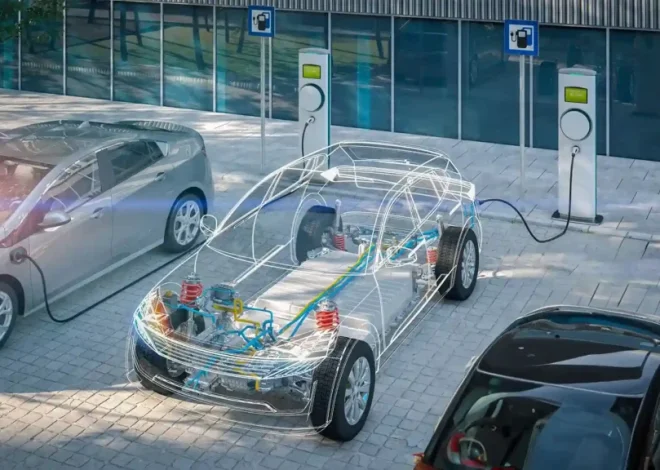
The rise of electric vehicles (EVs) has created new challenges and opportunities for car dealers. Selling an EV requires more technical knowledge, from explaining charging infrastructure to addressing battery warranties.
EV Education and Training
Dealers now train their staff extensively to discuss topics like battery range, charging options, and sustainability incentives. Customers often arrive with technical questions, and dealerships that can answer them confidently stand out.
Charging Infrastructure Partnerships
Forward-thinking dealerships are installing on-site charging stations or partnering with energy companies to help customers transition smoothly to EV ownership. This investment not only attracts eco-conscious buyers but also demonstrates a commitment to innovation.
Technology Integration in Dealership Operations
From inventory management to predictive analytics, technology drives operational efficiency in dealerships. Every department, from sales to service, benefits from automation and digital tools.
CRM and AI-Powered Analytics
Artificial intelligence helps dealerships predict sales trends, identify upselling opportunities, and optimize customer communication. AI chatbots handle basic inquiries, allowing human staff to focus on personalized interactions.
Cloud-Based Inventory Management
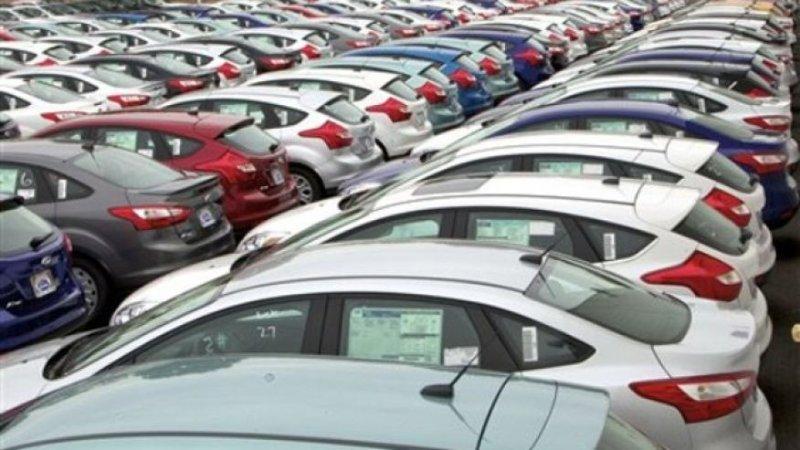
Dealerships now rely on cloud-based systems to manage inventory in real time. This reduces errors, speeds up transactions, and provides instant updates across multiple locations, ensuring the right car is always available at the right time.
Sustainability and the Future of Car Dealerships
Sustainability isn’t just a buzzword—it’s becoming a business imperative. Dealers are integrating eco-friendly practices into their operations and product offerings.
Green Building and Operations
Many dealerships are investing in solar-powered facilities, energy-efficient lighting, and recycling programs. These initiatives lower operational costs while appealing to environmentally conscious consumers.
Promoting Hybrid and Electric Models
As automakers expand their EV lineups, car dealers play a vital role in promoting and educating customers about sustainable transportation. Highlighting incentives such as federal tax credits or state rebates can make a major difference in conversion rates.
Challenges Facing Car Dealers in 2025
While the industry has evolved, car dealers face unique challenges that test their adaptability.
- Inventory Shortages: Supply chain disruptions continue to affect vehicle availability, pushing dealers to diversify sourcing and enhance pre-order systems.
- High Competition: Online-only sellers have increased market pressure, forcing traditional dealers to innovate faster.
- Customer Expectations: Buyers expect personalized, tech-savvy experiences—dealerships that can’t meet these demands risk losing market share.
- Regulatory Changes: Compliance with environmental and financing regulations adds operational complexity that requires ongoing training and adaptation.
Strategies for Staying Ahead
The most successful dealerships in the coming years will prioritize three key strategies:
- Digital Integration: Implement comprehensive online-to-offline sales systems that allow customers to research, finance, and purchase vehicles seamlessly.
- Customer Experience Innovation: Create unique experiences, from luxury lounge waiting areas to personalized maintenance plans.
- Sustainable Leadership: Invest in electric and hybrid education, infrastructure, and partnerships to lead the shift toward greener mobility.
Frequently Asked Questions (FAQ)
Q1: What should I look for when choosing a car dealer?
Look for transparency in pricing, positive online reviews, and a well-trained staff that listens to your needs. A trustworthy dealer should also provide clear financing terms and after-sales support.
Q2: How are dealerships adapting to electric vehicles?
They are retraining staff, installing charging infrastructure, and updating their sales processes to align with EV buyer expectations. Many also collaborate with charging network providers to assist customers after purchase.
Q3: Can I complete an entire car purchase online?
Yes. Many modern dealerships allow full online transactions, including financing, trade-in estimates, and home delivery, offering convenience comparable to traditional visits.
Q4: How do car dealers maintain profitability despite increased online competition?
By focusing on customer experience, value-added services, and local engagement. Personalized financing, service packages, and loyalty programs help sustain long-term profits.
Q5: Why is after-sales service so critical for dealerships?
It builds ongoing trust, ensures recurring revenue, and strengthens brand loyalty. Satisfied service customers are far more likely to return for future purchases or refer others.
This comprehensive look at the modern car dealer reveals an industry in rapid evolution. Dealers who embrace technology, transparency, and customer-focused innovation will remain vital pillars in the automotive landscape for years to come.