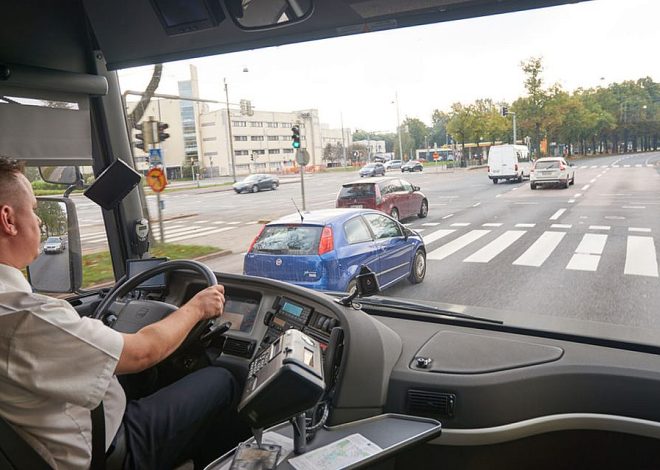
Smart and Safe Driving Tips Every Motorist Should Know
Driving is more than a basic skill; it’s a responsibility that demands awareness, preparation, and discipline. Every year, thousands of accidents occur on U.S. roads, most of which could be prevented with smarter habits behind the wheel. Whether you’re a new driver or a seasoned motorist, mastering driving tips that prioritize safety, efficiency, and awareness can make a major difference. These strategies not only protect you but also ensure smoother traffic flow, reduced fuel costs, and a more pleasant driving experience overall.
Understanding the Foundation of Smart Driving
Before discussing advanced techniques, every driver must grasp the foundation of responsible driving. Driving safely involves more than obeying traffic laws—it’s about predicting road behavior, maintaining calm under pressure, and understanding your vehicle’s dynamics.
Focus on Defensive Driving
Defensive driving means being proactive rather than reactive. It emphasizes anticipating potential hazards and maintaining sufficient distance from other vehicles to minimize risks.
Key aspects of defensive driving include:
- Keeping at least a three-second following distance from the car ahead.
- Avoiding aggressive maneuvers such as sudden lane changes or tailgating.
- Scanning the road 12–15 seconds ahead to spot upcoming hazards early.
- Being alert to unpredictable actions by other drivers, pedestrians, or cyclists.
Defensive drivers don’t just follow the rules—they predict and prepare for what others might do wrong.
Eliminate Distractions
Distracted driving remains one of the most dangerous behaviors on the road. Texting, eating, or even adjusting the radio can divert your focus just long enough to cause an accident. The National Highway Traffic Safety Administration (NHTSA) reports that taking your eyes off the road for just five seconds at 55 mph is equivalent to driving the length of a football field blindfolded.
Practical tips to stay focused:
- Keep your phone on “Do Not Disturb” while driving.
- Set your GPS and music before starting your trip.
- Avoid multitasking—your only job behind the wheel is driving.
- If necessary, pull over safely before addressing any distractions.
Mastering Vehicle Control and Awareness
A skilled driver understands how their vehicle responds under various conditions. Knowing your car’s handling, braking distance, and blind spots helps prevent errors that could lead to accidents.
Maintain Proper Tire Pressure and Vehicle Health
Neglecting maintenance can turn a minor issue into a life-threatening situation. Tires, in particular, play a critical role in handling and stopping distance.
- Check tire pressure monthly, especially before long trips.
- Rotate tires every 5,000–8,000 miles for even wear.
- Replace wiper blades and keep fluid levels topped up.
- Get regular oil changes and brake inspections as recommended by the manufacturer.
A well-maintained vehicle is more responsive and predictable, which improves your control in emergencies.
Adapt to Road and Weather Conditions
The best drivers adjust their habits depending on weather and terrain. Rain, snow, and fog can drastically alter visibility and traction.
- In rain: Slow down and increase following distance; avoid sudden braking to prevent hydroplaning.
- In snow: Use gentle steering inputs and accelerate gradually; equip your vehicle with winter tires.
- In fog: Use low-beam headlights and follow lane markings carefully; avoid high beams that reflect off fog particles.
- In mountainous terrain: Downshift on descents to avoid overheating your brakes and maintain better control.
The Psychology of Safe Driving
Driving is as much a mental exercise as it is a physical one. Emotional control, patience, and decision-making under stress directly affect your safety on the road.
Stay Emotionally Balanced Behind the Wheel
Road rage and frustration can cloud your judgment, leading to risky actions. A calm mindset keeps your reactions measured and helps you respond thoughtfully instead of impulsively.
- Practice breathing techniques or listen to calming music if you feel anxious.
- Avoid engaging with aggressive drivers—slow down or change lanes to de-escalate.
- Leave earlier to reduce time pressure that can cause stress.
Develop Situational Awareness
Situational awareness means being conscious of everything happening around you—not just the car ahead. Constant scanning and mirror checks allow you to notice patterns and potential threats.
- Check mirrors every 5–8 seconds.
- Keep track of vehicles entering your blind spots.
- Observe pedestrian crossings and intersections closely.
- Always look twice before changing lanes or turning.
Advanced Driving Tips for Experienced Drivers
Once you’ve mastered the basics, you can improve your skill set with advanced driving techniques that enhance safety and efficiency.
Optimize Fuel Efficiency Through Smart Habits
Efficient driving isn’t just eco-friendly—it saves money and reduces engine wear.
- Maintain steady speeds using cruise control when appropriate.
- Avoid hard acceleration and abrupt stops.
- Remove unnecessary weight from the trunk.
- Keep tires inflated to the correct pressure to reduce rolling resistance.
By following these small adjustments, you’ll improve fuel economy and extend the life of your vehicle.
Practice Smooth Braking and Acceleration
Jerky movements not only waste fuel but also increase wear on the brakes and suspension. Smooth acceleration and gradual braking promote stability and comfort, especially in city driving or traffic jams.
Perfect Lane Discipline
Lane discipline is often overlooked, yet it’s crucial for overall road safety.
- Use the left lane only for passing and return to the right when done.
- Avoid weaving between lanes in heavy traffic.
- Use your turn signals early to communicate your intentions.
Good lane behavior minimizes confusion and maintains consistent traffic flow.
Understanding the Role of Technology in Modern Driving
Modern vehicles come equipped with advanced safety features that can assist drivers, but they should never replace human attention.
Use Safety Features Wisely
Features like adaptive cruise control, lane-keeping assist, and collision avoidance systems are designed to supplement, not replace, the driver.
- Always remain engaged, even when using assistance systems.
- Regularly update your vehicle’s software for optimal performance.
- Understand how each feature works—read your owner’s manual and test safely in controlled environments.
Avoid Over-Reliance on Technology
Drivers sometimes develop “automation complacency,” relying too heavily on driver-assist systems. Always treat these tools as backup aids. Stay attentive and ready to take control at any moment.
Legal and Ethical Responsibilities on the Road
Every driver holds a moral and legal obligation to ensure safety for themselves and others.
- Always carry valid registration, insurance, and driver’s license.
- Understand local traffic laws, especially when traveling across states.
- Never drive under the influence of alcohol or drugs.
- Respect school zones, crosswalks, and speed limits.
Ethical driving extends beyond compliance—it’s about empathy and accountability for others sharing the road.
Night Driving and Long-Distance Safety
Prepare for Reduced Visibility
At night, visibility drops significantly, and fatigue becomes a serious concern.
- Clean headlights and windshields regularly for maximum clarity.
- Dim dashboard lights to reduce glare.
- Take breaks every two hours during long drives to prevent drowsiness.
- Avoid looking directly into oncoming headlights.
Plan for Emergencies
Even the most cautious drivers can face unexpected issues. Always keep an emergency kit in your car, including:
- Jumper cables
- First-aid supplies
- Flashlight and extra batteries
- Tire repair kit or spare tire
- Bottled water and non-perishable snacks
FAQs about Driving Tips
Q1. What is the most common cause of accidents among experienced drivers?
Overconfidence and distraction are major causes. Many experienced drivers believe they can multitask or react quickly enough, but even a split-second lapse can lead to disaster.
Q2. How often should tire pressure be checked?
Check your tire pressure at least once a month and before long trips. Seasonal temperature changes can cause pressure fluctuations that affect performance and fuel efficiency.
Q3. What’s the safest following distance at highway speeds?
Use the “three-second rule” under normal conditions and increase it to five seconds during rain, fog, or heavy traffic.
Q4. Are hands-free phone calls safe while driving?
Not entirely. Even hands-free conversations reduce cognitive focus, leading to slower reaction times. It’s best to avoid any phone use while driving whenever possible.
Q5. How can new drivers build confidence safely?
Start by practicing in low-traffic areas, gradually increasing exposure to more complex driving conditions. Focus on consistency, smooth control, and hazard anticipation rather than speed.
By integrating these driving tips into your routine, you not only protect yourself but also contribute to a safer driving culture. Responsible driving isn’t just about reaching your destination—it’s about ensuring everyone gets there safely.