

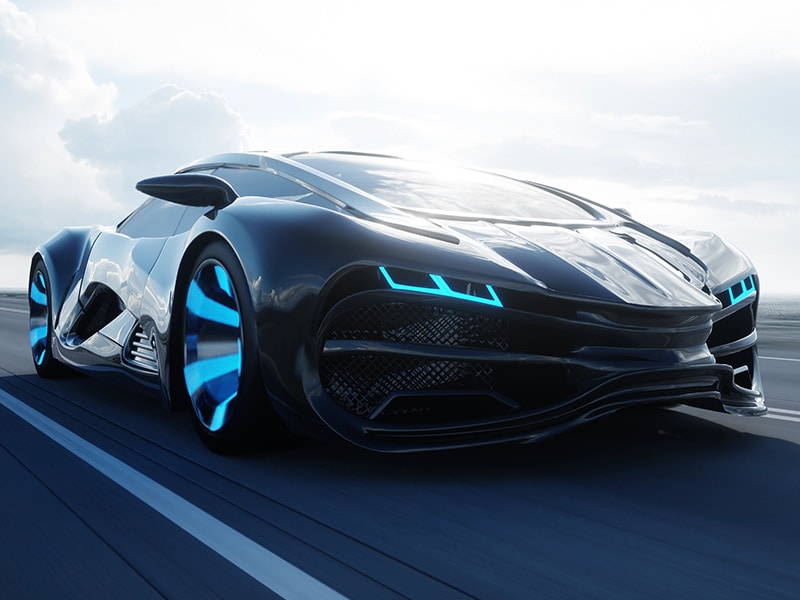
Electric Car The Future of Sustainable Transportation
Understanding the Rise of Electric Cars
Electric cars are rapidly transforming the automotive landscape, offering a cleaner and more efficient alternative to traditional gasoline vehicles. As environmental concerns grow and technology advances, the electric car has emerged as the cornerstone of sustainable mobility. Consumers, governments, and manufacturers worldwide are investing heavily in this technology, signaling a shift toward a future where fossil fuel dependency is significantly reduced.
The growing popularity of electric cars is fueled by several factors: improved battery performance, reduced charging times, lower ownership costs, and strong environmental benefits. With every major automaker now investing in electric vehicle (EV) production, it’s clear that this is not just a trend but a revolution in how we move and live.
What Makes Electric Cars Different
Unlike internal combustion engine (ICE) vehicles that rely on gasoline or diesel, electric cars use electricity stored in a battery to power an electric motor. This fundamental difference in propulsion offers several key advantages:
- Zero Tailpipe Emissions: Electric vehicles produce no direct emissions, contributing to cleaner air and reduced greenhouse gases.
- Instant Torque: Electric motors deliver immediate power, resulting in smoother and faster acceleration.
- Lower Maintenance: With fewer moving parts, electric cars require less servicing compared to conventional engines.
- Quieter Operation: The silent operation of electric motors creates a peaceful driving experience while reducing urban noise pollution.
These distinctions have positioned electric cars as a technological advancement that aligns with both ecological goals and consumer comfort.
The Evolution of Electric Vehicle Technology
Electric cars have come a long way since their early prototypes. The latest advancements in battery technology and power electronics have pushed the industry to new heights. Modern lithium-ion batteries offer higher energy density, improved safety, and longer life cycles. Additionally, the emergence of solid-state batteries promises even greater performance and faster charging capabilities.
Innovations such as regenerative braking systems further enhance energy efficiency by converting kinetic energy into stored electrical power during braking. Moreover, software-driven optimization allows real-time energy management, ensuring drivers get the most mileage out of every charge.
Electric vehicle architecture has also evolved to support high-voltage systems (400V to 800V), which significantly reduce charging times. As infrastructure continues to expand, electric cars are becoming increasingly practical for long-distance travel.
Economic and Environmental Benefits of Electric Cars
One of the strongest incentives for switching to electric cars lies in their economic and environmental impact. While the initial cost of an EV can be higher than a gasoline vehicle, the long-term savings often outweigh the upfront expense.
Economic Advantages
- Lower Fuel Costs: Electricity is generally cheaper than gasoline per mile driven.
- Reduced Maintenance Expenses: No oil changes, fewer brake replacements, and minimal engine servicing.
- Government Incentives: Tax credits, rebates, and lower registration fees in many regions make EVs more affordable.
- Resale Value: As the market grows, demand for used electric cars is increasing, stabilizing their resale value.
Environmental Impact
- Carbon Footprint Reduction: Electric cars emit up to 70% less CO₂ over their lifetime when powered by renewable energy.
- Energy Efficiency: Electric drivetrains convert over 80% of electrical energy into motion, compared to 30% for combustion engines.
- Sustainable Manufacturing: Automakers are integrating recycled materials and eco-friendly production processes to minimize waste.
These combined benefits make the transition to electric vehicles not only a financially wise decision but also a moral imperative for environmental sustainability.
Charging Infrastructure and Accessibility
One of the most common concerns for potential EV buyers is charging convenience. Fortunately, charging networks across the United States have expanded rapidly. From home-based charging units to public fast chargers, access is becoming widespread.
Types of Charging Options
- Level 1 Charging: Uses a standard household outlet; best for overnight charging.
- Level 2 Charging: Provides faster charging through a 240-volt outlet, common in homes and workplaces.
- DC Fast Charging: Capable of charging 80% of a battery in less than 30 minutes; ideal for long-distance travel.
Modern charging networks are now integrated with navigation systems, allowing drivers to locate available chargers instantly. Additionally, new technologies like vehicle-to-grid (V2G) systems enable EVs to feed energy back into the power grid during peak hours, enhancing energy stability.
The Role of Renewable Energy in Electric Mobility
To fully realize the potential of electric cars, integrating renewable energy sources is essential. Charging an EV using solar or wind power ensures that the transportation system remains genuinely sustainable. Many households are now combining electric vehicles with solar panels, creating self-sustaining ecosystems that minimize reliance on fossil fuels.
Public and commercial charging stations are increasingly adopting renewable energy solutions. Some even integrate energy storage systems to ensure uninterrupted service during grid outages. The synergy between electric vehicles and clean energy production is shaping a future where mobility and sustainability coexist seamlessly.
Technological Integration and Smart Features
Electric cars are not just about driving; they represent the next generation of connected mobility. Many EVs come equipped with advanced features that enhance safety, convenience, and efficiency:
- Autonomous Driving Capabilities: AI-driven systems manage acceleration, braking, and steering under certain conditions.
- Smart Energy Management: Adaptive algorithms optimize battery usage based on driving patterns.
- Over-the-Air Updates: Manufacturers can remotely enhance vehicle performance and add new features.
- Connected Ecosystem: Integration with smartphones allows remote monitoring, route planning, and pre-conditioning.
These innovations redefine the driving experience, merging digital intelligence with sustainable engineering.
Overcoming Challenges in Electric Vehicle Adoption
Despite their rapid growth, electric cars still face several challenges. The limited range of some models, battery degradation, and charging infrastructure disparities in rural areas remain concerns for many consumers. However, continuous research and technological breakthroughs are addressing these issues.
The expansion of battery recycling programs, for example, ensures that old batteries are repurposed, reducing waste and lowering costs. Additionally, government policies promoting domestic battery manufacturing help secure the EV supply chain and create new jobs.
The Future Outlook for Electric Cars
As electric cars continue to evolve, the next decade promises remarkable advancements. We can expect:
- Affordable Models: Decreasing battery costs will make electric cars accessible to a wider audience.
- Extended Ranges: Next-generation batteries may offer over 600 miles per charge.
- Wireless Charging: Inductive charging pads will simplify the charging process.
- Global Electrification: Nations are setting deadlines to phase out internal combustion engines entirely.
With autonomous technology and artificial intelligence integration, electric cars will eventually become fully self-sufficient systems capable of optimizing energy consumption and traffic flow.
How Consumers Can Prepare for the Transition
Switching to an electric car requires thoughtful planning. Prospective buyers should consider:
- Home Charging Setup: Install a reliable Level 2 charger.
- Local Incentives: Explore tax benefits and rebates.
- Daily Commute Needs: Evaluate range based on driving habits.
- Energy Source: Opt for renewable energy plans if available.
Early adoption also provides a long-term advantage as technology and infrastructure continue to improve.
FAQs
Q1: How long do electric car batteries last?
Most modern electric car batteries last between 8 to 15 years, depending on usage and environmental conditions. Manufacturers often provide warranties of at least eight years or 100,000 miles.
Q2: Can electric cars be charged during rain or snow?
Yes, electric cars can safely be charged in all weather conditions. Charging stations are designed to handle outdoor environments, and safety mechanisms prevent electrical hazards.
Q3: How much does it cost to charge an electric car at home?
The cost varies by region, but on average, charging an EV at home costs between $7 and $15 for a full charge, much lower than filling a gas tank.
Q4: Do electric cars perform well in cold climates?
While extreme cold can slightly reduce battery efficiency, modern thermal management systems minimize this effect. Many EVs include pre-conditioning features to optimize performance before driving.
Q5: What happens to old EV batteries?
Used electric car batteries are either recycled or repurposed for secondary energy storage applications, such as home solar systems or backup power solutions.
Q6: Are electric cars suitable for long trips?
Yes, with the expansion of fast-charging networks and improved range, electric cars are now practical for cross-country travel.
Q7: Is an electric car really better for the environment?
Absolutely. Even when accounting for battery production, the overall carbon footprint of electric cars remains significantly lower than gasoline vehicles, especially when charged using renewable energy.
Electric cars represent more than a shift in technology; they embody a transformation in global consciousness toward sustainable living. As innovation accelerates, the electric vehicle industry will continue to redefine how humanity approaches energy, mobility, and environmental responsibility.
